
Asbestos Removal Specialists Pinxton
Asbestos Surveys, Testing and Sampling in Pinxton Area
Asbestos Removal Pinxton Derbyshire (NG16) Area: Even though it has been banned in Britain for quite some time, asbestos may still turn up in all sorts of older buildings around Pinxton. It could be hidden amongst insulation materials, behind internal wall panels, in & around older heating systems, and under floor coverings, so finding it during building works is fairly common. If you come across something that may contain asbestos, this does not mean that you should start pulling it out to establish what it is. Keeping the material in question in place and obtaining professional advice is normally the safest approach.

Knowing exactly what material you're dealing with is important before asbestos removal is considered. An experienced Pinxton asbestos specialist will be able to find out if asbestos is present by checking any suspect areas, and when necessary arrange samples for analysis. It's then going to be possible to take into consideration what sort of asbestos-containing material exists in your property, what is its state of repair, and in what location. Whether professional removal is needed, alongside the safety precautions needed if the work goes ahead, may then be decided from this assessment.
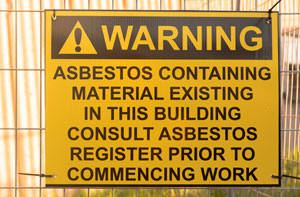
Not every type of asbestos-containing material necessarily needs to be removed from a building. If the asbestos-containing material remains in good condition, is not likely to be disturbed, and could be safely managed, it might sometimes be best to leave it in place. In suitable circumstances, encapsulating the material could provide another option, with the asbestos-containing material sealed with a protective coating to reduce the likelihood of asbestos fibres becoming airborne. For any degradation of the material to be detected before it turns into a bigger concern, its condition must still be monitored periodically.
Deteriorating asbestos, or material that's likely to be disturbed by renovation work in the future, is more likely to need removing. If demolition work, a major alteration, the replacement of a boiler, or refurbishment work is proposed at a premises in the Pinxton area, previously undisturbed material may need to be removed beforehand. The risks associated with asbestos change with the type of material involved, and some removal work have to be handled by a trained contractor holding the correct Health & Safety Executive licence. The asbestos-containing material, together with the intended work, should therefore be fully assessed rather than being viewed as a quick strip-out job.
Finding asbestos partway through a renovation could disrupt the entire project, especially when your builders have already started removing ceilings, walls or old fittings. Instead of taking a chance with something that might contain asbestos, work that could disturb the material should be suspended. Establishing what the material contains might mean a short delay, but it is worth doing before work resumes. Finding asbestos during a renovation necessarily means immediate removal is required. If the planned work allows, a contractor may be able to work around it, while other projects can't proceed until the asbestos has been dealt with. When refurbishment work is underway at a property in Pinxton, it is a good idea to deal with asbestos concerns early. Waiting until more work has been completed can create extra problems that could have been avoided.
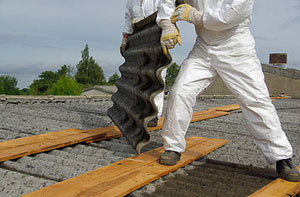
When the removal of asbestos has been agreed, planning the work carefully is as important as the physical removal. Before the removal work gets underway, the asbestos removal contractor will need to establish how to control the work area, minimise exposure to asbestos, and what protective measures and equipment will be required. The precautions necessary will depend on the work involved and may include enclosures, carefully controlled access, specialist respiratory protective equipment, and procedures to minimise the risk of contamination spreading elsewhere. Removal projects around Pinxton which are more substantial or higher-risk will typically require substantially more control measures than less complex work involving lower risk asbestos products.
Anyone working or living in the property will also understand what limitations there may be whilst the asbestos removal is being carried out. Certain parts of the building may need to be completely closed off, and routes through the property may be temporarily altered to prevent people walking through controlled work areas. Temporarily vacating certain areas might be part of the arrangements while particular stages of asbestos removal are completed. On more extensive projects, occupants may even need to stay away from the entire property for a period of time. Whether occupants can remain in the property will depend on what asbestos material has been found, how large or complicated the job is and the controls required for the work. These practical points are worth discussing before removal begins.
If you have asbestos removal arranged, it's worth finding out what needs organising before the process gets underway. Furniture and stored possessions could leave less room for the removal team. Some items may need moving, provided the contractor confirms that they can be handled safely. The contractor should also make it clear what can safely be moved beforehand & what needs to be left alone, since anything that might have been contaminated should not be handled unnecessarily. If outside space is limited, it's worth asking what the removal team will need. A little preparation may make the arrangements more straightforward. No one wants asbestos removal held up by avoidable problems. For property owners in the Pinxton area, getting things organised beforehand can help keep the work on track.
A important part of any removal operation is stopping asbestos fibres from being released into the air around the work area. As opposed to simply being removed without care alongside ordinary building waste, asbestos-containing materials need to be handled in a way that helps to reduce unnecessary disturbance, breakage & abrasion. Alongside the precautionary measures that are taken to control harmful asbestos fibres, the workers involved must be appropriately trained and equipped to protect themselves whilst doing the removal. Working methods, tools and equipment are selected with the need to control asbestos fibres in mind, with the affected area cleaned as a part of the removal process.
Once the asbestos-containing material has been removed, how it is processed following removal is just as important as the work involved in removing it. In preference to being placed into an standard skip, asbestos waste has to be contained, transported, labelled and disposed of as stipulated by appropriate requirements for hazardous waste. Asbestos waste from work carried out in Pinxton will need to be transported to an authorised disposal site, with the asbestos contractor also retaining the necessary records. Having the correct records in hand means there's proof of the arrangements made for handling, transporting and disposing of the waste material.

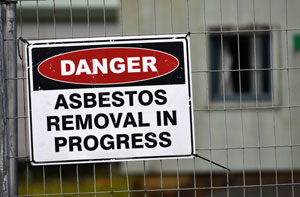
Not every asbestos removal job needs the same amount of planning and preparation, because a lot will depend on the type of asbestos-containing material and the complexity of the work that is involved. Separating the working area, limiting access and putting suitable warning notices in place could all be required before the removal gets underway on some projects. Part of the work done beforehand might involve disconnecting services and utilities where required, in addition to covering nearby fittings, fixtures & surfaces against dust. Making sure the area is prepped properly beforehand can help the contractor get on with the removal under carefully controlled conditions and avoid any unnecessary contamination elsewhere.
Even after all the asbestos has been removed and taken away, there could be other processes to carry out before the area in question is ready for use. Before the affected area of a building in the Pinxton area is returned to normal use, certain licensed asbestos work may require a detailed clearance process. Detailed visual checks, air testing, and further checks can form part of the clearance procedure, helping to establish that the affected area is safe for reoccupation. If a four-stage clearance process is needed, an appropriately independent analyst should undertake it, with the Certificate of Reoccupation provided once the necessary checks have been successfully completed.
Finishing the asbestos removal does not mean the records from the work need to be thrown away. Retaining these documents can provide a useful record of the work that was done. Exactly what paperwork is produced can vary from job to job. Survey information and analytical results might form part of it, along with waste documentation and any applicable clearance or reoccupation records. Plans for future building work might make the asbestos paperwork important again. This is especially the case where asbestos is still present in other parts of the building. Any future work being done on the property may be easier to assess when there is a useful record of the earlier asbestos removal work. Information showing what was identified, what was taken out and what still remains can cut down on any doubt when refurbishment, alterations or maintenance are planned.
When selecting an asbestos removal company serving Pinxton, it is sensible to ensure that they are appropriately qualified for the type of project that is involved. Any specialist who is being looked at should have suitable professional training, practical experience and qualifications, along with any licence required for the job & has the right insurance cover. A specialist who's involved with accepted asbestos industry bodies and takes safety and personnel training seriously should offer greater reassurance when planning removal work. Getting the preparation nailed down before any asbestos material is interfered with gives a contractor a better chance of managing the removal process safely, from start to finish.

Asbestos surveys and asbestos removal services are available to homes and businesses in Pinxton and also in surrounding locations such as Shirland, Annesley, Tibshelf, Blackwell, Newton, Hilcote, Selston, Kirkby in Ashfield, South Normanton, Sutton in Ashfield, Westhouses, Stonebroom, Alfreton, Huthwaite, Stanton Hill. Local Pinxton asbestos removal specialists will probably have the postcode NG16 and the phone code 01773.
Working Around Machinery and Equipment During Asbestos Removal
Dealing with asbestos in an industrial building is not always a simple task. The way the building is laid out may complicate the removal process, especially when machinery & equipment are still in place. If a contractor is dealing with asbestos at an ageing factory in Pinxton, access to the material can be one of the main practical issues. Asbestos can sometimes be found around large industrial machinery. Reaching such areas may require specialist access arrangements.
Arranging asbestos removal at an operational factory can be quite complicated to organise. Access to particular sections may need to be restricted, while some of the work may be scheduled for a quieter period. This is intended to reduce interruptions to the business. Large factories and manufacturing facilities could also have a number of different asbestos-containing materials, sometimes located on different levels or in separate areas of the site, making the work harder to plan. Industrial asbestos removal often involves more people than just the removal team. If the removal could affect industrial plant or manufacturing equipment, the contractor might need to liaise with the site's engineering & management teams. With suitable coordination, the removal can be planned around the site's wider operational needs.
The Risks Associated With Asbestos Exposure
Damaging or disturbing materials that contain asbestos could allow fine fibres to be released into the surrounding air, where they could be inhaled into the lungs. Exposure to asbestos doesn't normally cause symptoms straight away, with asbestos-related health conditions often only developing years later. Long-term exposure to asbestos may cause conditions affecting the lungs, for example asbestosis, pleural thickening and other respiratory conditions associated with asbestos exposure. Exposure to asbestos can also be linked to a heightened risk of lung cancer & mesothelioma, a cancer that most commonly affects the lining around the lungs. Drilling, cutting or breaking suspected asbestos-containing materials can release asbestos fibres, so the necessary precautions need to be taken before starting this kind of work.
Asbestos Air Monitoring and Safety Checks
When asbestos-containing materials are being removed, it can be necessary to test the air for asbestos fibres, both during and after the work. This is done through asbestos air monitoring. Purpose-designed air sampling equipment is set up to collect samples from the relevant area. These samples are subsequently examined to measure the level of airborne fibres. Air monitoring may take place at several stages of an asbestos removal project, sometimes starting before removal gets underway, throughout the removal process or once the job is done. Checking airborne fibre levels may help to show whether the control measures introduced for the work are effective. The measurements can also contribute to the checks concerning whether people can return. Air monitoring isn't necessary for every asbestos removal job in Pinxton, since this will vary according to the materials which are involved & the particular nature of the work. Results should be clearly documented & assessed by a appropriately trained specialist.
Assessing Whether Asbestos Encapsulation Is Suitable
Rather than fully removing the asbestos materials, encapsulation might in some circumstances provide another way forward. This process involves the use of a suitable protective sealant to the material, which may help to reduce the chance of asbestos fibres and/or particles from being released into the surrounding environment. Where asbestos remains in good condition & is not likely to be regularly disturbed or damaged, encapsulation could be a suitable approach. Whether encapsulation is the right approach can depend on a number of factors, including the asbestos-containing material concerned, its location & its condition. These points need to be properly assessed before the work goes ahead. Because the asbestos has not been removed, encapsulation does not mean it can simply be left without further consideration. The material will normally need to remain documented and be checked for changes in its condition. Anybody planning future maintenance or refurbishment work should be aware of the location of the encapsulated asbestos so it isn't unnecessarily disturbed.
Identifying and Removing Asbestos in Lofts
The spaces beneath a property's roof might present particular challenges because there may be very little room to work. It can be even more of an issue in older, established properties in Pinxton. In some older roof spaces, materials containing asbestos may be found in different locations. Getting to material around pipework can take more planning than dealing with materials that are easy to reach. There might be more involved in working in a loft than simply locating the asbestos. Restricted headroom, limited entry points and nearby cables can all affect the removal arrangements, especially when the asbestos is deteriorating. A careful look at the proposed removal location needs to take place before any asbestos is disturbed. Doing so can help identify the precautions required and decide what controls are needed. It's not sensible to take unnecessary risks when planning improvements to a loft. Property owners in Pinxton who are considering loft alterations would be wise to have suspect materials assessed before the work begins.
Dealing with Asbestos Cement Tanks in Older Homes
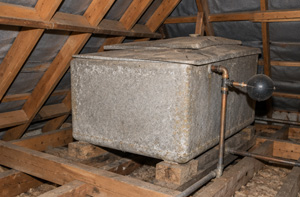
Older buildings in Pinxton do not necessarily have an old asbestos-containing water tank, but some properties may still have one. Roof spaces and lofts are places where many were originally installed as a part of the water supply arrangements. Despite a tank having been in the loft for a long time, it may have become brittle. Taking the tank out might then be a lot more difficult, particularly if the opening is too narrow for easy removal. It is not a good idea to beginning to remove an ageing water tank before you know whether asbestos is present. Its condition needs checking too, as this can affect the removal method. Avoiding unnecessary damage to the tank is usually preferable during removal, where the available access allows. If the tank is damaged during the work, harmful fibres can become airborne. There isn't one removal method that suits every asbestos cement water tank. How large the tank is and whether it is damaged, where it has been installed and the available access might all affect the approach required. The job is not finished when the tank has been lifted out. The old water tank needs to be prepared for safe transport before appropriate asbestos waste disposal is arranged.
What Is Involved in Asbestos Gutter Removal?
If you have an older property in Ashville, there's a chance that its guttering or downpipes were manufactured using asbestos cement, which was once a widely used material for those components. Old asbestos cement gutters and downspouts don't necessarily pose a serious risk when they are in good condition and left alone, but cracks, breakages or deterioration can release dangerous fibres if the material gets broken. When old asbestos gutters need removing, the material needs to be handled carefully, specially around the brackets and fixings, to help avoid unnecessary damage. An experienced asbestos removal specialist may assess the condition of the guttering, follow the necessary precautions & carefully remove the affected sections. When the old gutters have been removed, the asbestos cement sections must be properly wrapped & disposed of through the proper waste channels, getting the building ready for new gutters.
Removing Asbestos Pipe Lagging
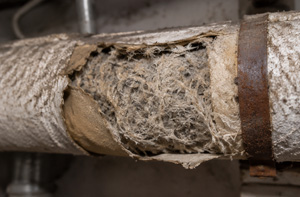
Unlike some asbestos-containing materials, old pipe lagging may release fibres relatively easily if damaged. For this reason, the work must be undertaken by a licensed asbestos contractor, instead of a general builder. If you are looking at an older heating installation, you might notice old insulating material fitted around boilers and hot water pipes. The insulation could be asbestos-containing, especially in roof spaces, cellars & boiler rooms.
The job involves more than stripping old insulation from the pipework. Ahead of the removal, the condition of the material needs to be assessed. Appropriate control measures also need to be planned to prevent contamination elsewhere in the building. To keep asbestos fibres from spreading, the contractor will normally isolate the affected part of the building. Suitable specialist tools and controlled working methods form part of the work, while the removed lagging is sealed in suitable waste packaging. After asbestos pipe lagging has been removed from a property in Pinxton, the contractor can't simply hand the area back without the necessary checks. According to the removal arrangements, the area may need independent clearance assessment before normal access resumes.
Asbestos Removal Tasks and Services

Asbestos removal specialists will be able to help with fly tipping clearance, safe asbestos roof sheet removal & disposal services, asbestos risk management, asbestos surveys, asbestos fire door removal and safe disposal, asbestos insulation board removal by trained asbestos removal specialist, the removal of asbestos from loft insulation & roof void areas, asbestos air testing, site asbestos investigations, asbestos management surveys for landlords and property owners, asbestos encapsulation, ethical asbestos disposal in Pinxton, asbestosis prevention in Pinxton, the removal of asbestos, corrugated asbestos removal, white asbestos removal, Artex removal, fully licensed asbestos removal for domestic and commercial properties, household asbestos removal Pinxton, asbestos abatement, asbestos risk assessments, removing asbestos before kitchen and bathroom refits, industrial asbestos survey, and other hazardous waste related work.
 Asbestos Removal Pinxton
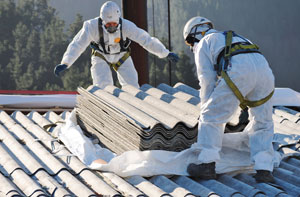 Asbestos Removal Near Pinxton
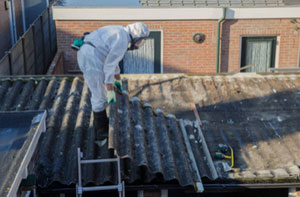 Asbestos Removal Companies Pinxton
Local Asbestos Removal Near Me
Also find: Selston asbestos removal specialists, Alfreton asbestos removal specialists, Annesley asbestos removal, Stonebroom asbestos removal specialists, Sutton in Ashfield asbestos removal services, Kirkby in Ashfield asbestos removal specialists, South Normanton asbestos removal specialists, Tibshelf asbestos removal, Selston asbestos removal services, Westhouses asbestos removal specialists, South Normanton asbestos removal, Selston asbestos removal, Sutton in Ashfield asbestos removal specialists, Hilcote asbestos removal specialists, Westhouses asbestos removal asbestos removal services and more. All of these places are serviced by companies who do asbestos removal. Pinxton property owners can get asbestos removal price quotes by going here.
More: Asbestos Management, Asbestos Cleanup, Air Monitoring, Risk Surveys, Asbestos Extraction, Asbestos Survey, Asbestos Containment, Asbestos Removal, Environmental Cleaning, Asbestos Auditing, Asbestos Testing, Asbestos Experts, Artex Removal, Asbestos Cleanup, Local Asbestos Disposal, Asbestos Removal Services, Hazardous Waste Disposal, Asbestos Cleanup, Safety Compliance, Asbestos Experts.
Asbestos Removal in NG16 area, and dialling code 01773.
TOP - Asbestos Removal Pinxton
To read local Pinxton info take a look here
Hazardous Material Removal, Asbestos Management Pinxton, Asbestos Removal Pinxton, Commercial Asbestos Removal Pinxton, Biohazard Removal, Asbestos Removal Near Me, Asbestos Disposal Pinxton, Removal of Asbestos, Domestic Asbestos Removal Pinxton, Asbestos Removal Contractors, Asbestos Removal Quotes, Asbestos Encapsulation
HOME - ASBESTOS REMOVAL UK
(This Pinxton asbestos removal information was last updated on 26-10-2026)