
Asbestos Removal Tring
The Safe Removal of Hazardous Asbestos Materials in Tring
Asbestos Removal Tring Hertfordshire (HP23) Area: Despite the fact that its use was banned in the construction industry a long time ago, asbestos still turns up in older buildings in Tring every once in a while. Asbestos might be hidden behind internal wall panels, beneath flooring, in & around heating systems, and amongst roofing materials, so finding it during refurbishment work is fairly common. Discovering something suspect does not mean you should start removing it to establish what it is. Leaving the suspected asbestos-containing material undisturbed and obtaining specialist guidance is normally the best approach.
Determining exactly what material you are dealing with is essential before the removal of asbestos is planned. Any suspect areas may be examined by a properly qualified asbestos surveyor or specialist serving the Tring area, who can, if necessary, arrange for samples to be analysed to determine whether asbestos is present. As soon as asbestos has been found to be present, the type of material involved, its current condition, and position could be considered carefully. Using this information, it should be possible to determine whether professional removal is needed and what precautions will be necessary if the work proceeds.
Removal is not automatically necessary for every kind of asbestos-containing material that is found in a building. Material which is sound, is unlikely to be knocked, and can be properly managed might sometimes be better left where it is. Another possibility in suitable circumstances is to coat the material with a protective covering to reduce the chance of asbestos particles becoming airborne. Regular checks will still be needed to spot any signs of deterioration before it becomes a greater concern.
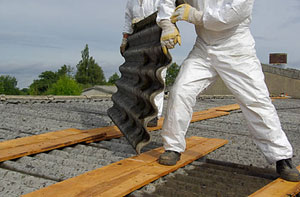
Removal becomes more likely when asbestos is damaged or is situated somewhere where future work might disturb it. If a major alteration, the replacement of a boiler, refurbishment work, or demolition work is proposed at a property across the Tring area, previously undisturbed material may need to be dealt with beforehand. The level of risk will vary between different types of asbestos products, with some types of asbestos removal work requiring a contractor licensed by the HSE. This is why the asbestos-containing material & intended work must be fully assessed rather than viewed as a routine strip-out job.
Planning the work is just as important as physically taking the asbestos out once asbestos removal has been agreed upon. The contractor will have to look at how the work area will be controlled, how exposure is minimised, and what protective measures and equipment will be needed. For particular jobs, the protective measures can include enclosures, controlled access, suitable respiratory protective equipment, and working procedures designed to help prevent contamination spreading to other areas. Removal projects across the Tring area that are more substantial or higher-risk will usually involve considerably more control measures than straightforward work involving lower risk asbestos materials.
Anyone living or working in the property will also know what limitations there may be while the asbestos removal is being carried out. To help keep people away from areas where removal is taking place, parts of the building might need to be closed off, with temporary access arrangements put in place where required. Depending on the work involved, occupants might have to leave particular rooms, or in some cases the whole property, until particular stages are finished. There isn't a standard restriction that suits every project, since what's needed will vary according to the type of asbestos present, the extent of the task & the control measures being used. Because of this, these kinds of practical arrangements need to be explained before work gets underway.
Keeping asbestos particles and fibres out of the air around the work area is a important part of any asbestos removal operation. Careful handling of the materials involved is required to help reduce abrasion, unnecessary disturbance and breakage, instead of tearing them out alongside general building waste. Workers also must have suitable PPE & suitable professional training for the work that they are undertaking. With fibre control in mind, appropriate equipment, tools and working methods are selected, and the working area is carefully cleaned as an integral part of the work.
The physical removal of the asbestos material is only part of the job, with what happens afterwards being equally important. Asbestos-related waste needs to be labelled, transported, contained and disposed of in compliance with the relevant requirements for hazardous waste, as opposed to being thrown into an standard skip. The asbestos removal contractor should have suitable procedures in place for taking asbestos waste from a property around Tring to an approved disposal facility, in addition to keeping the relevant records. Keeping suitable documentation also gives a useful record of how asbestos from the work was handled.

How much planning is necessary before asbestos removal gets underway will vary according to the type of material involved & the scale of the work. For particular types of work, this may mean separating the affected area, restricting access & putting suitable warning notices in place before the asbestos removal work starts. Services & utilities may also need to be made safe where necessary, while nearby surfaces, fixtures & fittings might need to be protected against contamination. By properly preparing the area before removal begins, the work can be undertaken in a more controlled way, helping to reduce the risk of asbestos particles or fibres escaping beyond the work area.
When the asbestos has been taken out, further work will still be necessary before the removal work is considered to be finished, including the cleaning, clearance and inspection of the work area. Before the working area of a building around Tring is returned to normal use, certain licensed asbestos removal work will require a formal clearance procedure. This may involve detailed visual inspections, air testing, and additional checks to confirm that the affected area can be safely reoccupied. Where the four-stage clearance procedure is required, it should be carried out by an appropriately independent analyst before a Certificate of Reoccupation is issued.
Rather than throwing away the paperwork after the asbestos removal work has drawn to a close, those responsible for the property should hold on to it for their records. Exactly what paperwork is produced may vary from project to project. Analytical results & survey information may form part of it, in addition to waste records & any applicable clearance or reoccupation records. The value of holding on to these details can become clearer if additional building work is considered at a later stage. Where asbestos remains elsewhere in the property, the earlier records could help provide useful background information. Good documentation could prevent confusion in the future. If the property needs further maintenance or refurbishment, there is value in knowing what was originally identified, what was subsequently removed and what might remain.
Separate properties in the Tring area may need very different amounts of asbestos removal work, despite seeming fairly similar at first. This is one reason why the work should be checked before a realistic price can be worked out. The quantity and type of asbestos-containing material, its whereabouts, accessibility and state can all influence what is involved. Dealing with a few of asbestos cement sheets that are easy to reach may be less complicated than some other asbestos removal work when set against removing insulation board from a confined space. Some asbestos removal projects require additional arrangements that can add to the overall price. These may involve controlled working areas & specialist equipment, appropriate waste disposal arrangements and, if required, air monitoring or clearance testing. A written quotation that sets out the services included and their costs can allow you to see what the price covers and if additional charges could apply.
When picking out an asbestos removal company operating in Tring, it's essential to ensure they're properly equipped for the type of project that is involved. Any contractor who is being looked at should have relevant training, practical experience & qualifications, along with any HSE licence needed for the work & has suitable insurance. Membership of established asbestos industry bodies can provide additional confidence, alongside evidence of continued professional development & safe working practices. A thorough assessment, followed by suitable planning, can help ensure the work is carried out in a safe manner & the asbestos is dealt with correctly throughout the work.
Asbestos surveys and asbestos removal services are available to home and business owners in Tring itself and additionally in neighbouring places such as Chivery, Aston Clinton, Marsworth, New Mill, Aldbury, Church End, Bulbourne, Cow Roast, Wigginton, Tringford, Dancers End, Pitstone, Drayton Beauchamp, Northfield. Locally based Tring asbestos removal specialists will most likely have the postcode HP23 and the telephone dialling code 01442.
Why Loft Asbestos Removal Can Be Complicated
Lofts and roof spaces may present particular challenges because the working conditions can be awkward. This can be even more of an issue in long-established homes in Tring. Coming across suspected asbestos in a roof space doesn't always mean it is easy to get at. Materials situated around pipes can be awkward to reach, especially where there is very little room to move. How well the asbestos-containing product has been maintained isn't the sole consideration that may make a loft removal job difficult. Limited space, narrow entry points & wiring close to the material might create practical problems, especially where the material is in poor condition. An assessment of the loft or roof space should be carried out before the removal process begins. This helps establish the precautions required and decide what controls are needed. Building work involving a roof space might involve working close to asbestos-containing materials. For householders in the Tring area, arranging an assessment before work begins can be a practical way of avoiding unnecessary risks.
Safe Handling and Disposal of Asbestos Cement Gutters
Many older homes around Ashville have still got asbestos cement guttering & downpipes, as this material was frequently used in years gone by. Asbestos cement guttering is usually considered to be to present a lower risk when it's in good condition & left undisturbed, but breaking or disturbing the material could release harmful fibres into the air. Care is needed when taking down asbestos gutters, as the joints, brackets and fixings may make the material difficult to remove without damage. Having the affected guttering taken down by a suitably qualified asbestos removal company may help ensure that the material is properly assessed & the removal work is carried out safely. The old gutters and downpipes must then be securely wrapped and disposed of as "asbestos waste" at an authorised waste disposal site, leaving the building ready for replacement guttering.
The Removal of Artex
Artex was a popular choice for decorating ceilings & walls in the past, and older properties in & around Tring might still have coatings that include asbestos. Before removing or disturbing older Artex, you ought to have the material tested, because the presence of asbestos can't normally be determined from the appearance of the coating alone. If asbestos is identified, the coating needs to be dealt with cautiously to help avoid releasing harmful fibres into the air. The method that is used for removing it will be determined by the condition that the Artex is in, where its been applied, and precisely how the work is being done. Bringing in a competent asbestos professional can help to ensure that the suspect material is removed safely, properly contained, and disposed of through the appropriate channels.
Surveying a Property for Asbestos
Before asbestos within a property can be effectively managed, it's necessary to know whether asbestos-containing materials are present, where they are situated & what condition they are in. An asbestos survey may provide this information. Before a survey is carried out, it is important to checking which type is required based on the property and the extent of any proposed work. For normal occupation and maintenance, a management survey is usually intended to identify asbestos-containing materials that might be disturbed. Where more substantial building work is proposed, a more detailed and intrusive refurbishment or demolition survey (R&D) will be necessary beforehand. Not every potentially asbestos-containing material can be confidently identified by looking at it. Where confirmation is needed, sampling and analysis may be carried out to determine whether asbestos is present. Once the survey has been carried out, its findings should be properly documented. This can help to ensure that asbestos located within the building is properly managed and assessed and considered when subsequent work is being considered.
What Is Asbestos Air Monitoring?
Asbestos air monitoring is carried out to find out whether airborne asbestos fibres are present in a particular area, particularly during or after asbestos removal work has been undertaken. Air monitoring is not simply a matter of looking for asbestos fibres in the air. Samples need to be collected using suitable equipment, with the resulting samples tested afterwards to measure the level of airborne fibres. Depending on the nature of the work, air samples may be taken before asbestos removal begins, as the job progresses or once the work is complete. This may help to assess whether control measures are working properly & whether an area is safe enough for people to return to. Air monitoring isn't necessary for every asbestos removal job in Tring, since this is determined by the materials which are involved and the exact nature of the work. Maintaining clear records of asbestos air monitoring measurements is necessary, as the information needs to be assessed by a competent specialist.
Asbestos Removal Tasks and Services

Local removal companies will be able to help you out with asbestos air monitoring, air testing, ground remediation, asbestos management surveys for landlords and property owners, garage asbestos removal Tring, asbestos partition wall removal in older properties, the removal of asbestos from old agricultural farm buildings, asbestos garage roof removal and replacement preparation services, asbestos consulting, asbestos removal estimates, soft strip demolition, asbestos cement shed dismantling and disposal services, asbestos removal from warehouses and storage facilities, asbestos flue removal in Tring, the removal of asbestos popcorn ceilings, asbestos floor tile removal, home asbestos survey, hazardous asbestos removal Tring, asbestos pipe lagging removal in residential & commercial settings, asbestos window sill & panel removal services, the removal of asbestos, asbestos cladding removal from industrial and commercial buildings, asbestos debris clearance following accidental material damage, and other hazardous waste related jobs.
Asbestos Removal Tring Asbestos Removal Near Me
 Asbestos Removal Companies Tring
Asbestos Removal Near Me
Also find: Church End asbestos removal services, Tringford asbestos removal services, Cow Roast asbestos removal, Wigginton asbestos removal, Wigginton asbestos removal services, Northfield asbestos removal services, Pitstone asbestos removal services, Bulbourne asbestos removal services, Northfield asbestos removal, Aldbury asbestos removal services, Aston Clinton asbestos removal, Pitstone asbestos removal specialists, Cow Roast asbestos removal services, Bulbourne asbestos removal asbestos removal services and more. Most of these places are serviced by companies who do asbestos removal. Tring homeowners can get quotes by going here.
More: Air Monitoring, Asbestos Survey, Asbestos Collection, Cheap Waste Removal, Asbestos Extraction, Asbestos Abatement, Biohazard Removal, Safety Compliance, Asbestos Monitoring, Asbestos Decontamination, Safe Asbestos Removal, Asbestos Cleanup, Environmental Safety, Site Clearance, Asbestos Sampling, Asbestos Consultancy, Local Services, Asbestos Sampling, Asbestos Cleanup, Asbestos Risk Assessment.
Asbestos Removal in HP23 area, and dialling code 01442.
Asbestos Surveys Tring, Hazardous Waste Removal, Removing Asbestos, Asbestos Removal Quotations, Asbestos Disposal Tring, Asbestos Removal Near Me, Asbestos Removal Tring, Waste Removal, Residential Asbestos Removal Tring, Asbestos Removal Companies, Asbestos Encapsulation, Commercial Asbestos Removal Tring
HOME - ASBESTOS REMOVAL UK
(This page on asbestos removal in Tring was updated on 12-10-2026)