
Floor Sanding Street, Somerset (BA16) Area: It is not really surprising that timber flooring begin to look worn following years of people walking over them, especially when people wear shoes in the house or furniture is regularly shifted around. Looking after a wooden floor doesn't completely prevent surface scratches & scuffs, and the protective coating can still become worn over the years. Timber flooring which has seen better days doesn't automatically need to be replaced. Sanding back the existing boards may give the floor a fresh appearance without the expense of replacement. Property owners around Street could find that their existing wooden floors are still in decent condition underneath. Before deciding to replace the flooring, professional sanding may make better sense.

The sanding process involves taking off a small amount from the top of the timber using specialist machinery. Regular foot traffic can leave wooden floors covered in marks. Sanding the surface can remove old varnish & get rid of many of these marks. Not every wooden floor needs an equal amount of sanding. The amount of material that can be removed depends on the condition of the boards and how much wood can safely be sanded away. Depending on their condition, wooden floors in Street may require either gentle sanding or more extensive work. More heavily worn surfaces could need to be sanded with several abrasive grades to produce a consistent surface.
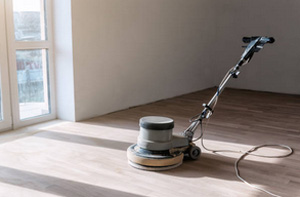
Having wooden flooring in your home does not automatically mean that the surface is suitable for sanding. Finding out what sort of flooring you have is an important first step. Solid timber boards can generally be sanded several times during their lifespan, as long as sufficient timber remains. Engineered wood flooring isn't quite the same because the upper layer of natural wood might be fairly shallow. Instead of guessing whether sanding is suitable, you can ask a local flooring specialist in the Street area. An inspection of the existing floor should help to establish whether sanding is worthwhile.
Worn hardwood flooring isn't always beyond saving because it has lost its original appearance. Solid oak, beech or maple flooring can sometimes be brought back into good condition. A floor can be made from strong, durable hardwood even when the surface looks tired. Foot traffic and moving furniture will wear away the finish while the boards themselves remain usable. A big part of restoring a hardwood floor comes from removing the marked top layer. After the old finish has been sanded off, the boards can show their natural character again. Not every hardwood floor needs the same level of sanding. It depends on how worn the boards are, and so does the thickness of usable timber. Tired-looking hardwood boards aren't necessarily ready for replacement. For householders around Street, professional sanding may be a more affordable option, where the flooring is in good enough condition.
When considering restoring old timber flooring, it is worth checking whether there's any damp underneath the boards. This is not always obvious at first. In numerous period properties, there's a gap between the timber flooring & the ground below. When airflow beneath the boards is restricted, damp conditions may develop, especially where the soil underneath remains damp. Timber can change shape as it absorbs water, which might lead to cupping or movement in the boards. Supporting timbers may also suffer, particularly if damp conditions continue & mould begins to grow. Sanding floorboards while an underlying moisture issue remains may leave the original issue unresolved. A newly finished wooden floor might not perform as expected when the wood remains unstable. When assessing timber flooring for restoration, an experienced floor sanding contractor covering the Street area may suggest checking the moisture content of the timber. Any possible damp issues should be investigated before restoration begins. Sometimes, dealing with the cause of excess moisture might mean bringing in a different specialist. Work to deal with moisture underneath the property might need to be considered before sanding, instead of leaving a problem that is likely to come back.
Floor sanding does not usually mean the equipment comes out straight away. Some preparation has to be done beforehand before the machines can be used. The floor has to be made ready before the machinery comes out. Part of the preparation is moving furniture out of the way, dealing with any loose timber boards and making sure no nails are sticking up which might catch on the machinery. There isn't always a need to fill the gaps in a wooden floor. Depending on the flooring & the result you are hoping for, filling the gaps might be an option while the floor is being prepared. When arranging floor sanding for a property in Street, it is important to plan around the work. You may not be able to use the room as normal until the work is finished.
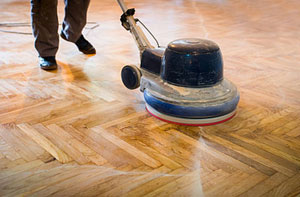
For people arranging floor sanding, worries about sanding dust spreading through the home might be a bit of a concern. Understanding how the dust is managed might give them a better idea of what is involved. Modern sanding machines frequently feature integrated dust extraction systems designed to collect the bulk of the dust as it's produced. Modern dust extraction doesn't prevent every bit of dust from escaping, though it usually helps keep dust levels down compared with older equipment. There's still a chance of dust spreading, when using machines fitted with dust collectors. Moving possessions away from the working area might help reduce the problem, as well as closing adjoining doors where possible. When getting quotations for floor sanding in Street, it's sensible to check what dust control measures will be used. This can help you to understand what to expect.
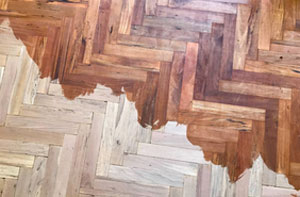
After the floor has been sanded, it is usually important to apply a protective finish. Lacquers and hardwax oils are commonly used, with both giving the floor a different look and needing different amounts of upkeep. Some property owners love to see the natural grain of the wood, while others want something more traditional. Staining the boards could be possible, providing the wood is suitable. A treatment that suits one wooden floor may not be the best choice elsewhere. For people with wooden floors in Street, the flooring material, the amount of use it gets, and how much care the finish needs are worth taking into account.
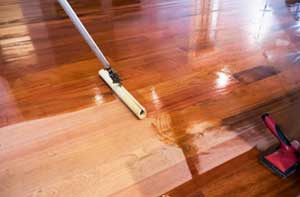
The price of professional floor sanding can differ quite alot from one job to another. Room size is one of the obvious factors, but the state of the floorboards, any repairs that are needed and the chosen finish can also have an effect on the cost. Awkward corners or places that need extra sanding by hand will add to the labour involved. When arranging floor sanding with a company serving Street, it's worth obtaining a detailed estimate in writing. This should include the initial preparation, the sanding itself, the finishing materials & repairs identified before the job begins, rather than the sanding alone.
Once a wood floor has been sanded and finished, keeping the surface clean should be simpler. The room should also look a lot fresher. After the new finish has been applied, a few simple habits might protect the newly treated surface. Keeping the surface free of loose debris, suitable products for the finish and furniture pads where needed can all help prevent avoidable wear. Before furniture goes back into the room, it's worth checking the recommended drying & curing times. The contractor should be able to advise you on this. If you've already got wooden flooring in your Street home, it is a good idea to consider professional sanding rather than assuming that a new floor is needed. Provided the existing floor can be restored, professional sanding can give the floor a new lease of life.

Floor sanding and restoration can be carried out in Street and also in: Northover, Butleigh Wootton, High Ham, West Pennard, Shapwick, Glastonbury, Compton Dundon, Lower Leigh, Overleigh, Butleigh, Walton, Stone Hill, Beckery, Meare, Ashcott, Baltonsborough, as well as in these postcodes BA16 0BX, BA16 0GW, BA16 0LQ, BA16 0BL, BA16 0LX, BA16 0JN, BA16 0JU, BA16 0LN, BA16 0HX. Locally based Street floor restoration specialists will likely have the telephone dialling code 01458 and the postcode BA16. Of course if you want to try doing the job yourself, you could think about hiring a floor sanding machine.
Wooden Floor Fire Damage Restoration
Before deciding what to do with fire-damaged floorboards, the condition of the timber needs to be established. Heat & flames might leave the timber in unsound condition, and firefighting water might add to the damage. The existing flooring may be repairable, provided the timber is suitable. Not every mark left by a fire means the floorboard is ruined. A professional who is assessing the affected flooring might be able to clean and sand away superficial damage. Timber that has been badly charred, though, will generally need exchanging. Floorboards that have absorbed firefighting water can develop problems of their own. Distortion and water-related staining may develop when water penetrates the wood, even where the fire hasn't directly burned the flooring. Before the restoration work gets underway, a check for damage to the supporting structure is necessary, and the timber must be sufficiently dry, as sanding won't repair timber that has lost its structural strength. A successful floor restoration might involve replacing some of the timber. An experienced floor restoration specialist might save much of the existing flooring, replacing any boards that are beyond repair. Once the replacement boards are secured, the remaining floor can be sanded and given a protective finish. Before arranging to have every floorboard replaced, it's worth having the state of the floor thoroughly assessed. A flooring contractor serving Street may be able to repair & restore the sound sections, where the boards and supporting structure are suitable for repair.
Floor Sanding Machines
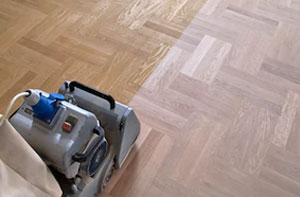
Instead of simply covering over old varnish or paint, professional sanders work through the existing coating. A small amount of surface timber is removed in the process, which can remove light surface scratches. When sanding the open areas of a room, contractors normally use a heavy-duty belt sander or drum sander. A moving belt or rotating drum sands the boards as the machine is pushed along. The rougher grades of sandpaper are used for the heavier initial sanding, although it doesn't normally leave the timber ready for its final coating. The contractor then works through the finer grits, refining the boards before the new finish is applied.
Smaller floor edgers are usually necessary to work right up to skirting boards and into areas the larger machines cannot reach, while rotary or multi-disc sanders can be brought in for the later stages of sanding. Professional flooring contractors are able to choose from various makes of sanding equipment. Some familiar names are Bona, Pallmann and Lagler, whose equipment includes recognised models such as the Pallmann Cobra, Lagler Hummel & Bona Belt. Sanding a wooden floor without effective extraction can be a messy task, but the best equipment commonly includes dust collection. It helps reduce the amount of dust left behind, although some cleaning may still be needed afterwards.
Wooden Floorboard Repairs and Restoration
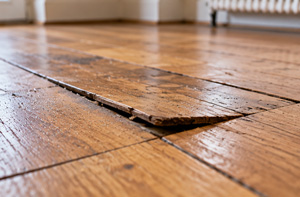
Damaged floorboards sometimes require replacement before the sanding and restoration process can begin, particularly if the timber is badly cracked, affected by rot, warped or too weak to remain securely in place. Something that can make floorboard repairs more manageable is that the whole floor might not need to be lifted. Matching the replacement timber is sometimes the trickier part, especially when the flooring is quite old. Before getting on with the sanding, an experienced floor sanding contractor will generally look over the floorboards. Any that are beyond repair can be removed & replaced where necessary.
A floor repair shouldn't stop at laying the new boards. Once the timber is secure, sanding can help to bring the surface into line. The final staining or surface finishing can also help blend the replacement timber with the surrounding floorboards, although some differences in colour & grain may still be visible. When the vast majority of of the existing timber is still in good condition, a complete replacement may be unnecessary. Property owners around Street may be able to combine individual board repairs with sanding & refinishing, rather than paying for entirely new flooring.
Common Floor Renovation Tasks

Street floor sanding experts will likely help you with hardwood floor sanding Street, floor refurbishment, Granwood floors, walnut floor sanding, hardwood floor restoration, floor sanding, floor sanding preparation, floor sealing, fire damage restoration, wood floor buffing, floor paint removal, floorboard sanding, office floors, floor repairs, custom staining and finishing, floor surface preparation, floor restoration for worn, scratched & faded wooden floors, wood flooring, wood floor staining offering a wide range of colours, parquet block repairs before sanding & refinishing the complete floor, floor varnishing, parquet block replacement, rotten floorboard replacement, beech floor sanding and other flooring services in Street, Somerset.
 FAQ: Here are a selection of the most frequently asked questions about floor restoration and floor sanding: Can furniture stay in the room during floor sanding? How many coats of finish does a sanded floor need? How long does floor sanding take? Can warped or uneven floorboards be sanded? Is dust-free floor sanding available? How many times can a wooden floor be sanded? What equipment is needed for floor sanding? Which brands of floor sanding machines are the best? Is floor sanding noisy? How long does it take to sand & refinish an office floor? What finishes are available for sanded wooden floors?.
Floor Sanding Street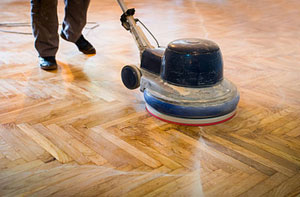 Floor Polishing Street
 Floor Finishing Street
Near Street
Also find: Beckery floor sanding contractors, Ashcott floor sanding contractors, Glastonbury floor sanding contractors, Lower Leigh floor sanding services, Northover floor sanding services, Meare floor sanding contractors, West Pennard floor sanding experts, Butleigh Wootton floor sanding services, Northover floor sanding, Lower Leigh floor sanding specialists, West Pennard floor sanding services, Butleigh floor sanding specialists, Compton Dundon floor sanding experts, Walton floor sanding, High Ham floor sanding, Northover floor sanding experts floor sanding specialists and more. Most of these villages and towns are covered by companies who do floor restoration. Street home and property owners can get quotations by clicking here.
Street Somerset Info: The Somerset village of Street lies on the southern edge of the Somerset Levels, around two miles south-west of Glastonbury, near the Polden Hills. While Street has grown into a sizeable community, its history stretches back many centuries, with Roman connections and medieval farming. Street is perhaps best recognised for its long association with the Clarks shoe company, which was founded here in 1825 by brothers Cyrus & James Clark. The footwear industry became an important part of the local economy, shaping life in Street for generations. Some of the historic industrial buildings have been incorporated into Clarks Village, a well-known outlet shopping destination, which attracts visitors from across the region. Other notable landmarks include the Shoe Museum, the historic Church of the Holy Trinity & the nearby Glastonbury Tor. Local amenities include supermarkets, independent shops, cafes & traditional pubs, along with local schooling, medical services and recreational facilities. The village is also home to Millfield School, an established independent day and boarding school. Local footpaths and rural lanes provide countryside walks, outdoor activities & places to explore. Neighbouring places include Glastonbury, Walton, Ashcott, Compton Dundon and Baltonsborough. The A39 & nearby A361 offer useful routes towards Bridgwater, Wells and surrounding parts of Somerset, and local buses link Street with nearby towns & villages. To get local Street information look here, and to see the weather forecast, click here: Street weather.
More: Restoration, Staining, Gap Filling, Floor Resurfacing, Floor Refinishing, Timber Flooring Specialists, Parquet Renovation, Floor Restoration, Timber Floor Sanding, Timber Flooring Specialists, Floor Restoration, Expert Floor Restoration, Dustless Sanding, Hardwood Floor Sanding, Parquet Restoration, Floor Finish Restoration, Renovation, Dent Repairs, Floor Patching, Mosaic Restoration.
Floor sanding BA16 area, telephone code 01458.
Floor Polishing, Floor Finishing, Floor Sealing, Floor Replacement Street, Wood Floor Sanding Street, Floor Maintenance, Floor Refurbishing, Floorboard Sanding Street, Floor Sanding Street, Floor Sanding Near Me, Flooring Repairs, Floor Sanding Companies, Floor Restoration Street