
Hedge Cutting High Lane Greater Manchester (SK12) Area: You could think hedge trimming to be a quick job, only to find after the first few cuts that there's more work involved than you imagined. When a hedge is already well maintained, a little trimming could do the job, but once it becomes large & overgrown might need far more attention. A boundary hedge may play several roles at a property in High Lane, from marking out the garden & providing privacy to giving the garden a structured look, and proper maintenance can help keep it looking its best. By trimming a hedge before it becomes overgrown, property owners may help prevent branches growing beyond the intended boundary and getting in the way on nearby roads, vehicle access routes or neighbouring gardens. For a homeowner in the High Lane area, cutting back the growth every once in a while is usually less demanding than leaving it untouched for years & facing a substantial cut back later on.
The species of hedge, its age & the type of finish that you want can all influence how frequently it needs cutting. A hedge that grows rapidly may need trimming more often through the main growing period, while one that grows at a slower rate may get by with attention just once or twice each year. Not everybody in the High Lane area aims for the same look from a hedge; some people favour a crisp formal shape, while somebody else may favour something that looks a bit more natural. Neither approach is necessarily better or worse, but it does affect how often the hedge needs to be trimmed. Weather conditions can make a difference too, with warm and wet spells often bringing on faster growth than you might normally expect.
Keeping on top of hedge growth is one thing, but dealing with a hedge that's been allowed to become badly overgrown can be a much bigger task. When a hedge only needs a basic tidy-up, there is usually no need to cut deeply into established woody growth; cutting back newer growth and neatening the outside may well be sufficient. Once there is excess height, side growth and thicker woody growth to deal with, a hedge that's got out of hand can easily become far more work than a routine trim. Property owners around High Lane can inherit hedges that have got out of control when they buy a property where the garden hasn't been looked after regularly for a while. Trying to cut too much away in one go isn't always a sensible approach either, since specific hedge varieties cope with heavy pruning far better than others.
When a hedge has grown some way beyond the width or height that is wanted, the work might involve more than the light trimming that is used to keep the growth under control. Removing too much material from an established hedge at once might result in exposed areas, especially where the species doesn't readily recover after cutting into older wood. Somebody who's dealing with a boundary hedge at a property in High Lane may want to bring it in by only a fairly limited amount, yet a substantial hedge may still require a substantial amount of growth to be taken off. Where a substantial reduction is needed, carrying out the reduction gradually might make more sense than taking everything back in one visit. Knowing what kind of hedge you're looking at may therefore influence how far it can reasonably be cut back.
Before getting the hedge trimmer out, it's worth giving some thought to the timing. Even where a hedge that would normally be suitable for trimming might otherwise be trimmed, active bird nests need to be considered, especially during the main breeding period. Before cutting a thick or established hedge in High Lane, it is sensible to have a proper look for active nests rather than assuming there are no nests hidden inside. The more substantial the planned cutting, the more important it can be to consider the timing, as certain plants can respond better when they are cut at a suitable time of year. A small amount of thought beforehand may save hassle later and usually gives the hedge a greater chance of producing healthy, even growth afterwards.
A tradesperson that is working on a hedge can consider more than just removing excess growth, since the shape that is being created can affect both its appearance & future growth. If you are arranging hedge cutting, it might be worth thinking about whether you want a straight-sided finish or a hedge that's a bit wider at the bottom, as the latter can help give the lower parts more light. Allowing a little bit more light to reach the lower foliage can help to reduce the chance of the bottom of the hedge losing foliage & becoming bare. Householders who are arranging hedge cutting in High Lane may want a particularly crisp finish, and on long runs of hedge a simple guide can help maintain a straighter line, whether the work is being carried out as a DIY job. Stepping back every so often can be useful too, because it is surprisingly easy to lose sight of the overall shape when you are working right next to the hedge.
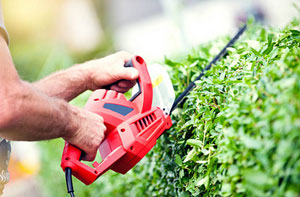
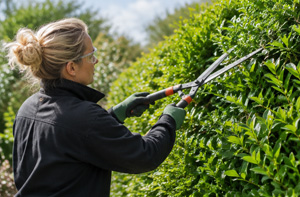
The equipment that is used for hedge cutting can have a major effect on both the quality of the finish and the amount of effort involved. A homeowner working on a relatively small hedge may find that hand shears are all that is needed, particularly for careful shaping, while larger hedges can be easier with an electric or petrol-powered machine. Long-reach trimmers are handy for hedges with difficult-to-reach growth, although working overhead for longer periods can become physically demanding. Whether the work in High Lane is carried out using manual or powered tools, keeping the cutting edges sharp can help to produce a more precise cut & help reduce the risk of the growth getting torn. Thick branches that are more than a hedge trimmer can reasonably cope with are normally better dealt with using suitable pruning tools rather than forcing the machine through them.
The amount of access that is available around a hedge might have a fairly significant impact on how straightforward the job can be. For a hedge alongside an unrestricted lawn in High Lane, access may be normally relatively straightforward, compared with one that is positioned in a tight space between garden structures, beside a restricted passage or above a retaining wall. Where the ground is awkward or the hedge is close to flower beds, ponds or other garden features, finding a practical spot for equipment and ladders might be more awkward. A boundary hedge with restricted access on one side may require some planning before trimming begins, especially if stretching across from the other side is not practical. The easier a hedge is to access from the necessary sides, the more manageable it can be to cut, clear up afterwards and deal with the resulting cut material.

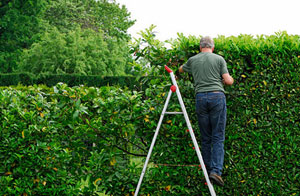
When a hedge badly needs cutting, it may be easy to concentrate on completing the cutting & give less thought to working safely. Householders doing the work themselves might find that hidden branches makes the job more difficult than they expected. The difficulty of accessing the top may make hedge cutting around High Lane homes more demanding, particularly when someone is trying to access the highest sections while also controlling the cutting equipment. For householders doing their own hedge cutting, protective eyewear, gloves & suitable footwear are useful protective measures, and particularly noisy equipment could make hearing protection appropriate. Where the far side of a hedge can't be clearly seen, having a look before the trimmer goes through can be worthwhile, because there might be a person, parked vehicle, fence or public footpath immediately beyond the hedge.
When getting someone in to sort the hedge out, what is done with the waste can be something that's worth clarifying when arranging the job. The amount of cut material from hedge cutting can be easy to underestimate, even where the hedge itself doesn't initially seem very large. Not all hedge waste needs to be handled in the same way, because finer clippings can be composted or shredded, whereas more substantial growth generally needs another approach. The trimming work isn't always the most time-consuming part of the job, especially at properties in High Lane where there is not much room to pile up clippings and everything needs to be removed. Keeping the working area clear as hedge cutting progresses can make the job easier to manage, while also making it more straightforward to notice sections that still need attention.
For homeowners who are considering work on a hedge separating neighbouring properties, understanding who should deal with the hedge might be a useful first step before substantial work is carried out. A property owner who's planning work on a hedge separating two properties could need to clarify what is actually within their property, as it could be right on the boundary. Where heavier pruning is being considered for a neighbouring hedge in High Lane, it can be sensible to look into the boundary before talking through the planned cutting. Routine cutting might be one thing, but removing alot of growth can make it more worthwhile to understand the boundary position. Householders who are looking at heavier pruning may wish to look into any requirements that could apply before someone is brought in.
Staying on top of cutting the hedge generally makes the job a bit easier in the long term. For a householder arranging routine trimming, each visit can involve dealing with less material, so there is less clearing up afterwards and the amount of work may remain less demanding. For property owners who are keeping an eye on their hedge, the cutting also provides an opportunity to pick up on gaps, damaged growth & unwanted plants before they become more difficult to deal with. For properties in High Lane, regular hedge trimming doesn't necessarily mean having a very formal finish, as a hedge may still provide screening, shelter & a cared-for appearance with a more relaxed finish. In practice, avoiding unnecessary problems often comes down to understanding what is suitable for the hedge, choosing appropriate cutting times and keeping on top of smaller amounts of growth.

Hedge trimming can be provided in in High Lane and also nearby in: Hawk Green, Hazel Grove, Middlewood, Windlehurst, Stockport, New Mills, Strines, Pott Shrigley, Torkington, Poynton, Disley, Birch Vale, Bollington, Marpleridge, Manchester, and in these postcodes SK6 8HW, SK6 8EQ, SK12 2NS, SK6 8AF, SK6 8EZ, SK12 1UA, SK6 8BS, SK6 8EE, SK6 7EN. Locally based High Lane hedge trimming specialists will probably have the phone code 01663 and the postcode SK12.
When and How to Feed Your Hedge
A hedge that is growing in nutrient-poor soil may respond well to a suitable fertiliser, as feeding can support healthier growth & help maintain good foliage colour. Rather than feeding every hedge in exactly the same way, it is worth checking the hedge species, whether the soil needs additional nutrients & how healthy the plants are, as these factors influence which feed is suitable and how much should be applied. A little care with the quantity matters, because too much fertiliser can harm a hedge rather than help it; give it the recommended amount rather than loading it up with extra feed. Keeping hedging in good condition at a property in High Lane is not simply a matter of applying fertiliser; routine trimming, watering when conditions are dry & controlling nearby weeds can all contribute to a sensible maintenance routine.
Hedge Removal in High Lane Area
Removing a hedge might involve quite a bit of effort, especially when it's well established & has occupied the same spot for quite some time. Removing the top growth is often only the first step of hedge removal, because substantial stems, stumps & deep roots can still be there below or close to ground level. For a homeowner who's looking to change the garden, removing a hedge might be a practical way to open up garden space, improve access or prepare an area for new planting, fencing or landscaping. The hedge's species, overall size and age all help to determine how difficult removal might be, along with whether the right equipment can reach the area being worked on. Once everything has been removed, the remaining green waste can be chipped, recycled or taken away, leaving the area ready for whatever coming next.
Hedge Replacement High Lane
An older hedge that has become patchy, diseased or difficult to keep tidy could be better taken out & replaced rather than continually trying to cut it back. Preparing for replacement generally starts with removing the old hedge and dealing with any bigger roots or stumps that may get in the way of new planting. Before planting replacement hedging into the ground, it is worth considering the state of the soil, particularly after an established hedge has been growing there for many years. A replacement hedge in High Lane does not necessarily need to be the same species, and the change may be a chance to choose something more suitable for the garden. Getting the early preparation & aftercare right can make a significant difference to a new hedge, giving the plants a healthier chance to settle in and develop healthy growth.
Hedge Cutting Tasks and Services

High Lane hedge cutting contractors can normally help you with tree stump removal, hedge trimming for larger gardens with extensive boundaries, boundary hedge cutting, decorative hedge shaping for ornamental gardens, contract hedge cutting, agricultural hedge cutting, box hedge trimming in High Lane, laurel hedge cutting and routine maintenance, leylandii hedge removal in High Lane, large garden hedge cutting and general growth management, hedge lowering in High Lane, honeysuckle hedge cutting, hedge reductions, hedge pest control, beech hedge pruning and seasonal care, home hedge cutting, juniper hedge planting, farm hedge cutting, hedge planning, hedge width reduction to clear paths, hedge trimming for communal gardens and residential developments, hedge re-planting and other hedge related tasks in High Lane, Greater Manchester.
 FAQ: Here are some of the most frequently asked questions about hedge trimming and hedge care: What is the best time of year to cut a hedge? Can a hedge be cut without using a ladder? Is hedge waste removal normally included? How swiftly will instant hedging provide privacy & screening? Why are the leaves on my hedge turning brown or yellow? How difficult is it to remove an established hedge? How often should a leylandii hedge be cut? Can you cut a neighbour's hedge? How long does a hedge take to grow back after cutting? Can cutting a hedge too much kill it?.
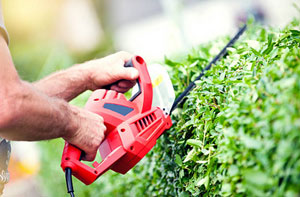 Hedge Cutting High Lane
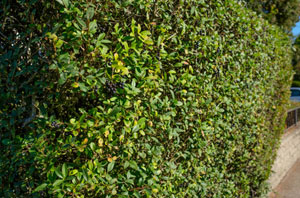 Hedge Maintenance High Lane
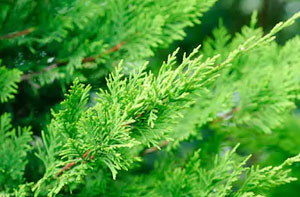 Hedge Trimming High Lane
Hedge Cutting Near Me
Also find: Poynton hedge pruning, Pott Shrigley hedge pruning, Birch Vale hedge clipping, Stockport hedge trimming, Hazel Grove hedge trimming, Bollington hedge pruning, Bollington hedge cutting, Birch Vale hedge trimming, Birch Vale hedge cutting, Bollington hedge trimming, Strines hedge trimming, Bollington hedge clipping, Hazel Grove hedge clipping, Pott Shrigley hedge clipping, Disley hedge cutting, High Lane hedge cutting and hedge care in more nearby locations.
More: Hedge Clipping, Hedge Lopping, Hedge Care Experts, Hedge Topping, Side Trimming, Hedge Topping, Commercial Hedges, Hedge Lopping, Yew Trimming, Hedge Topping, Boundary Hedges, Ornamental Hedges, Hedge Restoration, Hedge Management, Hedge Planting, Conifer Reduction, Privet Trimming, Conifer Reduction, Hedge Cutting Services, Privet Trimming.
Hedge cutting specialists in the SK12 area, telephone code 01663.
TOP - Hedge Trimming High Lane
Hedge Planting, Hedge Trimming High Lane, Hedge Removal, Hedge Cutting Near Me, Topiary, Hedge Maintenance, Hedge Cutting Services, Hedge Cutting Contractors, Hedge Cutting High Lane, Hedge Trimming Near Me, Hedge Clipping, Tree Surgery