
Hedge Cutting Wakefield West Yorkshire (WF1) Area: At first glance, hedge trimming might seem like quite simple garden job, but that can soon change once you begin the work. A quick tidy-up might be enough for a small, regularly maintained hedge, but larger or badly overgrown hedges may take far more effort than you first expect. In Wakefield, hedges are frequently used to form boundaries, provide privacy and give gardens a bit more structure, so keeping them under control can make quite a difference to how a property looks. Another benefit for regularly cutting a hedge is that it can prevent branches from growing too far across paths, driveways and neighbouring gardens. A hedge that is kept on top of with regular cutting tends to be much easier for Wakefield householders to manage than one that has grown unchecked for years and eventually needs to be cut back into a manageable shape.

There is not one fixed timetable that suits every hedge, since factors such as the kind of hedge, its age and the desired finish may all influence how frequently it needs cutting. Fast-growing hedges can start looking untidy quite quickly during the main growing season, while more slowly growing varieties may only need attention once or twice a year. Some householders in the Wakefield area may prefer a crisp, formal shape, whereas others prefer a looser, more natural appearance. Whether you choose a crisper shape or something more natural is largely a matter of personal preference, but that decision may make a difference to how frequently the hedge needs cutting. The weather can also have an effect, because warm & damp conditions often causing a hedge to grow more strongly than you might expect.
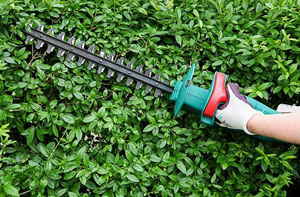
Keeping a hedge trimmed & dealing with a heavily overgrown hedge can be very different tasks, particularly when a lot of growth has built up or the hedge has been left untouched for some time. A routine trim usually concentrates on the latest growth that has appeared, bringing the outside of the hedge tidy whilst leaving the established woody growth alone. When a hedge has actually become overgrown, sorting it out might involve reducing the height, cutting back the sides & dealing with older, thicker growth, which can make it into a far more involved project. If a property's garden has basically been left largely untouched for a while, someone that's moving into the property in the Wakefield area may find that one or more hedges have become badly overgrown. Although a hedge which has got out of hand may make heavy cutting seem necessary, doing too much in one go isn't always the best approach, especially because some species recover from heavy pruning far better than others.
A hedge that only needs a regular trim may be relatively straightforward to keep under control, whilst one that needs a substantial reduction in width or height might require a different approach. How heavily an older hedge can be reduced might depend on the type of hedge, as some types may be left with bare areas if too much mature growth is removed at once. For a property owner in Wakefield, gaining even a bit of extra garden room can involve cutting a considerable amount of growth from a substantial boundary hedge. Where a substantial reduction is needed, carrying out the reduction gradually may make more sense than taking everything back in just one visit. Before carrying out a substantial reduction, it might be worth knowing the hedge species because different types may respond in different ways to harder pruning.
When you actually cut a hedge may be important too, so it's wise to choose the timing carefully before starting. There can be several opportunities through the year to tidy a hedge, although there's a little bit more care that is needed during the bird breeding season, when there may be birds nesting. For anybody that's aiming to trim a thick hedge in Wakefield, having a proper look for active nests can be wise before the cutting begins, rather than taking it for granted that nothing is nesting inside. Some hedging species recover more successfully from cutting when the work takes place at the right point in the year, and this may be especially important with heavier pruning. A little thought before the work begins can save hassle further down the line, and can also help the hedge put on healthy and even growth after it has been cut.
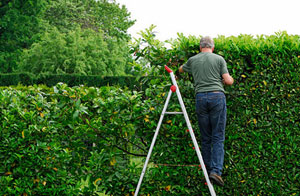
It may be tempting to concentrate mainly on how much growth needs to be removed, but for a homeowner that is doing their own hedge cutting, or using a hedge cutting service, the shape of the finished hedge can be worth thinking about. A hedge doesn't necessarily need to be perfectly straight-sided to look well shaped; leaving the base a little bit wider may help to let more of the foliage receive light. One reason a professional hedge cutter may leave the base somewhat wider than the top is to help get more light to the lower growth, which may help to reduce problems with sparse lower foliage over the years. Formal hedges around Wakefield properties often benefit from using a guide line or another simple guide, especially across longer stretches where minor mistakes become much more obvious. A hedge may look less even from a few steps away than it does when you are working close up, so regularly checking the whole shape may help pick up uneven areas.
Tools make a big differance to both the end result and the amount of effort that's required. A homeowner cutting a relatively small hedge may find that hand shears are all that is needed, particularly for detailed work, while more extensive hedge cutting may be easier with an electric, cordless or petrol hedge trimmer. Long-reach trimmers are useful for tall hedges, although working overhead for any length of time can become fatiguing. Whether the work in Wakefield is being done with hand tools or powered equipment, keeping the blades sharp can give a neater cut and lower the chance of the growth being torn. Where a hedge has thick, woody growth that a standard hedge trimmer can't comfortably deal with, someone experienced in hedge maintenance might use tools designed for thicker branches rather than using the trimmer beyond what it can reasonably manage.
Before cutting a hedge, it might be worth checking how easily the different parts of the hedge can actually be reached. A hedge beside an clear lawn in Wakefield can be usually much more straightforward to cut than one squeezed between a shed & a fence, growing alongside a restricted passage or growing above a retaining wall. Uneven ground, flower beds, ponds and other obstacles could also affect where ladders or cutting equipment can properly be positioned. Where the far side of a boundary hedge is hard to access, some planning might be needed before the job starts, rather than simply leaning across from one side. When there is reasonable space around a hedge, the trimming and tidying-up might be considerably simpler, including getting the cuttings out of the garden.

For homeowners who are cutting their own hedge, wanting to get the job finished may make it tempting to give less thought to safety. What seems like a fairly straightforward hedge cutting job may be more awkward in practice if access around the hedge is poor, there's hidden woody growth, electrical cables need managing or a ladder is required. Taller hedges around properties in Wakefield may be especially tricky because reaching the top in a safe way whilst still controlling the equipment isn't always simple. Protective eyewear, gloves and sturdy boots are practical basics, and hearing protection can also be appropriate with noisier equipment. Where the area beyond the hedge cannot be seen clearly, having a look before the trimmer goes through can be vital, as there could be people, vehicles, fencing or a footpath close to the cutting area.
The quantity of waste that is produced is another aspect of hedge cutting that needs to be considered, and it's easy to underestimate just how much there may be. Even a hedge that does not look especially large can produce a surprisingly substantial heap of clippings once all sides of the hedge have been dealt with. What can be done with the cut material depends partly on how thick the growth is, with smaller clippings potentially suitable for shredding or composting and thicker woody growth often needing to be dealt with separately. Where a property has a relatively small garden, in Wakefield, clearing & removing hedge waste can take nearly as long as the actual cutting. Keeping the working area clear as the hedge trimming progresses may make the whole task more manageable, while also making it simpler to spot uneven areas.
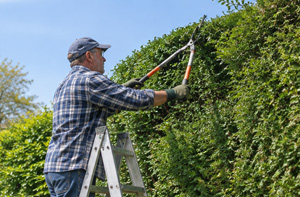
Hedges running close to property boundaries may make things a little bit more complicated, particularly when it's not clear who is responsible for the work, responsibility for the hedge is unclear or it's not obvious who should handle it. A householder considering cutting a hedge separating two properties might need to clarify what's actually within their property, as it could be entirely on one side. Prior to carrying out major work on a shared or neighbouring hedge in Wakefield, establishing the boundary position and speaking to the neighbour can help to prevent unnecessary arguments. A tradesperson who's brought in to carry out heavier cutting may need the homeowner to be sure about the boundary and responsibility, especially where the work goes well beyond a routine trim. Householders planning substantial hedge work could wish to check whether any restrictions affect the property or hedge before anything substantial is done.
For property owners keeping their own hedges maintained, staying on top of the cutting might mean less work each time. Where a hedge cutting service carries out the work on a regular basis, the amount that's being taken off at each trim can be more limited, making the cutting & resulting garden waste easier to deal with. For property owners who are keeping an eye on their hedge, the cutting also provides an opportunity to pick up on dead branches, gaps and damaged sections before they develop into larger issues. A properly looked-after hedge at a property in Wakefield can provide privacy, shelter & a more cared-for appearance, without the garden having to look heavily manicured. In practice, keeping a hedge manageable often depends on understanding what is suitable for the hedge, choosing appropriate cutting times & not allowing routine maintenance to build into a major job.
Hedge clipping is available in in Wakefield and also nearby in: Horbury Bridge, Sandal, Kirkthorpe, Flanshaw, Warmfield, Carr Gate, Flushdyke, Newton Hill, East Moor, Durkar, Wrenthorpe, Agbrigg, Walton, Kirkhamgate, Thornes, Outwood, Alverthorpe, Lupset, and in these postcodes WF1 1LD, WF1 2AT, WF1 1RL, WF1 1HF, WF1 1HD, WF1 1TU, WF1 1PH, WF1 1JW, WF1 2AN, WF1 1LR. Local Wakefield hedge trimming specialists will probably have the telephone dialling code 01924 and the postcode WF1.
Hedge Diseases & Pests
Hedges could from time to time have problems with diseases and pests, particularly when plants are already stressed or trying to grow in difficult conditions. Signs that a hedge could have a disease or pest problem might include changes in leaf colour, damaged shoots, unexpected spots, thinning areas and sudden dieback. Both problem insects and fungal diseases can affect a hedge, with the particular issue depending partly on the species and the environment around the plants. A hedge showing odd changes at a property in Wakefield could need closer inspection before any decision is made to prune it more severely. Although cutting out badly affected growth might be helpful in some cases, it is worth identifying the underlying cause before deciding what to do. Making sure a hedge has enough water, isn't unnecessarily harmed & has sufficient airflow through the growth may help keep it healthier and help to reduce the risk of future problems.
Hedge Removal in Wakefield Area
Taking out an mature hedge is not always a quick job, with mature hedging often requiring a fair bit more effort than you might expect. A hedge may look almost completely removed once its branches have been cleared, but the remaining roots & stumps may involve a fair amount of additional work. For someone who's looking to change the garden, removing a hedge might be a practical way to open up garden space, improve access or prepare an area for new fencing, planting or landscaping. A small young hedge with easy access can be fairly straightforward to remove, while an more established hedge might require considerably more work. After the hedge, stems & other remaining growth have been removed, the resulting hedge waste may be chipped, recycled or taken away so the area is ready for its next stage.
Replacing an Existing Hedge
Replacing an older hedge might make sense when it has become badly overgrown, diseased, patchy or just too difficult to keep under control. The original hedge normally needs cutting down first, followed by removing the stumps & larger roots so there is sufficient space for new planting. Where a hedge has occupied the same ground for a long time, proper soil preparation might help give new planting a better chance of getting established. When you're choosing new hedging for a garden in the Wakefield area, it might be worth thinking about whether the previous species still suits the spot or whether another type would be a better fit. Replacement hedging will need regular watering and a bit of attention while it establishes, but good preparation may help to give it a healthier start.
Hedge Cutting Tasks and Services

Wakefield hedge cutting contractors will likely help you with beech hedge cutting, hedge height reduction for improved garden sunlight, hedge removal services, privet hedge trimming for residential properties, hedge height reducing, flail hedge trimming in Wakefield, farm hedge cutting in Wakefield, hedge cutting to clear growth around gates & entrances, conifer hedge cutting in Wakefield, quickset hedging, agricultural hedge cutting, beech hedge pruning & seasonal care, maze hedge cutting, roadside hedge cutting and vegetation management, lilac hedge clipping in Wakefield, privet hedge trimming, hedge trimming to retain privacy without excessive height, the maintenance of hedges, mixed hedge trimming for domestic gardens, mature hedge pruning for established residential garden boundaries, laurel hedge cutting, boundary hedge cutting in Wakefield and other hedge related tasks in Wakefield, West Yorkshire.
Latest Hedge Cutting Requests

Recently posted West Yorkshire hedge cutting projects: Hannah Sharma said - Can someone covering Wakefield trim a large established hedge without taking too much off and making the whole thing look bare?. Fatimah Alexander wrote - I'm after a regular hedge cutting service rather than letting everything grow wild & dealing with a massive job later. Regan Broadley said - I'd like someone to trim the hedging around a small courtyard where access is through the house and space is fairly limited. Rian Pollock in Wrenthorpe said - I need a long privet hedge trimming on both sides and across the top. Fleur Gooding wrote - Our hedge in Wakefield hasn't been properly trimmed for a couple of years & it is starting to look pretty wild. Poppy Powell wrote - We need several hedges at different stages of growth & would like some guidance on what needs cutting & what should wait. All these property owners did a search for "hedge trimming near me" and came across this website on one of the major search engines.
 FAQ: Here are a selection of the most frequently asked questions about hedge trimming and hedge care: When should a newly planted hedge first be trimmed? Who should maintain a hedge between two properties? How do you keep a hedge looking neat? Can conifer hedges be cut back hard? Why are the leaves on my hedge turning brown or yellow? Can hedges be cut during the nesting season? What happens to hedge clippings after cutting? What protective equipment should be worn when cutting hedges? Will a hedge grow back after being removed?.
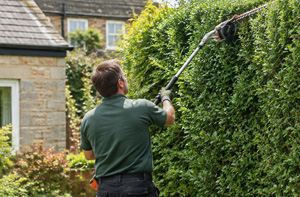 Hedge Cutting Wakefield
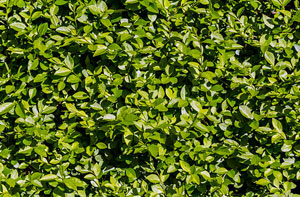 Hedge Maintenance Wakefield
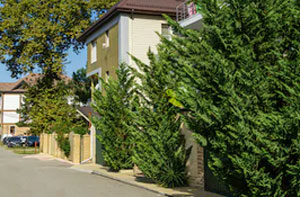 Hedge Trimming Wakefield
Hedge Cutting Near Me
Also find: Horbury Bridge hedge cutting, Wrenthorpe hedge clipping, Newton Hill hedge cutting, Outwood hedge cutting, Carr Gate hedge clipping, Carr Gate hedge trimming, Kirkhamgate hedge cutting, Newton Hill hedge clipping, Alverthorpe hedge cutting, Outwood hedge trimming, Durkar hedge cutting, Warmfield hedge clipping, Durkar hedge clipping, Kirkhamgate hedge clipping, Flushdyke hedge clipping, Kirkthorpe hedge trimming, Sandal hedge cutting, East Moor hedge clipping, Wakefield hedge cutting and more.
More: Annual Maintenance, Hedge Restoration, Top Trimming, Hedge Clipping, Garden Clearance, Conifer Reduction, Hedge Trimming Services, Overgrown Hedges, Hedge Removal, Yew Trimming, Garden Hedge Cutting, Hedge Renovation, Crown Lifting, Hedge Trimming Services, Hedge Trimming, Hedge Cutting, Hedge Care, Hedge Tidying, Hedge Restoration, Annual Maintenance.
Hedge cutting in WF1 area, (dialling code 01924).
TOP - Hedge Trimming Wakefield
Hedge Clipping, Hedge Maintenance, Hedge Removal, Hedge Trimming Near Me, Conifer Trimming, Hedge Cutting Contractors, Hedge Cutting Near Me, Tree Surgery, Hedge Trimming Wakefield, Hedge Cutting Services, Hedge Planting, Hedge Cutting Wakefield