
Asbestos Removal Experts Comber
The Safe Removal of Asbestos Materials in Comber
Asbestos Removal Comber Northern Ireland (BT23) Area: Even though it has been banned in Britain for some considerable time, asbestos could still be discovered in many different types of older premises around Comber. It may be lurking in and around older heating systems, beneath floor coverings, behind internal wall panels, and amongst insulation materials, so uncovering it during building work is by no means unusual. Even if you think you might have found something that's suspicious, you should not attempt to remove it to get a better idea about what it is. Normally, the best strategy would be to leave the suspect material in place, and get a specialist to take a look at it.
It's important to know what kind of material you are actually dealing with, before you can even look at asbestos removal. Any suspect areas can be assessed by an experienced asbestos surveyor or specialist in Comber, who will be able to, when necessary, arrange samples for analysis to confirm whether asbestos is actually present. It will then be possible to fully consider what kind of asbestos exists in your property, what is its state of repair, and where it is located. Whether professional removal is required, together with the safety measures needed if the work goes ahead, can then be determined from this assessment.
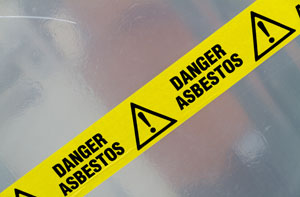
Uncovering some material that contains asbestos inside a building does not automatically mean that it will need to be taken out. Material that is still in good shape, that isn't likely to be damaged, and that can be safely managed is perhaps best left where it is. In appropriate circumstances, encapsulating the material could provide another possibility, with the material sealed or coated to reduce the risk of asbestos particles and fibres being released into the air. The material's condition will still have to be regularly checked so any deterioration in its condition can be spotted before it becomes a bigger concern.
When an asbestos-containing material is deteriorating, or is situated somewhere it may be disturbed by future work, removal becomes a more likely option. Asbestos-containing materials that have remained undisturbed for years might suddenly become a concern when a home in Comber is being demolished, refurbished, or altered, or even when an old boiler needs to be replaced. Different asbestos materials present different degrees of risk, and some removal work will require a contractor which is licensed by the Health and Safety Executive. For this reason the asbestos material and proposed work should be assessed rather than being regarded as a straightforward strip-out job.
Carefully planning the work is just as important as actually taking the asbestos out once the removal of asbestos has been agreed upon. How the area where the work is taking place will be controlled, how the risk of exposure will be prevented, and what safety measures and equipment will be required will all have to be considered carefully by the contractor. Some asbestos removal projects require using special enclosures, controlled access arrangements, protective respiratory equipment, and procedures that are designed to contain any contamination. The extent of control needed can vary quite a bit, with larger asbestos removal jobs in Comber frequently requiring more protective measures than comparatively simple work which involves lower-risk materials.
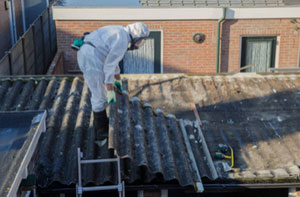
Asbestos removal might restrict how people access different parts of the property, so people who remain in the building should be aware of the restrictions that will apply throughout the work. Certain parts of the building may need to remain completely off limits, and access routes may be temporarily changed to prevent people passing through controlled working areas. Not every asbestos removal job means occupants have to leave the property, but there are situations where individual rooms, sections of the building or sometimes the whole property have to be left empty while certain stages are completed. Every asbestos removal job can be different when it comes to access, so the access arrangements & restrictions may depend on the material involved, the extent of the job & the control measures required. Discussing this in advance means that occupants can be clear about where they can & can't go.
There might also be several things that need to be sorted out around the property before the removal specialists arrive. Furniture and stored possessions may leave less room for the removal team. Some items may need to be moved, providing the contractor confirms they can be moved without disturbing asbestos. Don't assume everything near the asbestos can just be moved. The removal specialist should identify what stuff can be handled safely and which need to be left alone. It's also a good idea to establish whether vehicles, skips or other equipment might need room outside the property. For people with homes in Comber, making these arrangements in advance can make the removal work easier to manage once the asbestos specialists come out.
Keeping asbestos particles out of the air around the work area is a major part of any removal operation. As opposed to just being torn out alongside ordinary building waste, asbestos-containing materials have to be treated in a way that reduces breakage, abrasion & unnecessary disturbance. Anybody who's performing the removal work has to have proper training as well as suitable personal protective equipment. The choice of appropriate working methods, tools and equipment takes the control of asbestos fibres into account, while the affected area is meticulously cleaned as part of the work.
The physical removal of the material is only part of the job, with what takes place after it has been removed being every bit as important. Asbestos-related waste can't simply be thrown into a normal builder's skip, it must be correctly packaged, labelled, transported and disposed of as outlined by the relevant hazardous-waste requirements. Those who are handling asbestos-containing waste from a construction or renovation project in the Comber area should make certain it's transported to an authorised disposal centre and that all the required documents are completed and retained. Keeping appropriate documentation also gives a useful record of how waste material from the work was handled.

Not all asbestos removal jobs will require the same amount of planning & preparation, as a lot will depend on the kind of asbestos-containing material and the complexity of the work involved. Preparing the site can include blocking off the area where removal is taking place, preventing unauthorised entry and making sure that anybody nearby is adequately warned about what is going on. Services & utilities may also need to be disconnected where appropriate, while nearby fixtures, surfaces and fittings could need to be suitably protected against asbestos contamination. Careful preparatory work helps make certain the asbestos removal work is completed in a carefully controlled way, while helping to reduce the likelihood of asbestos particles spreading to other areas.
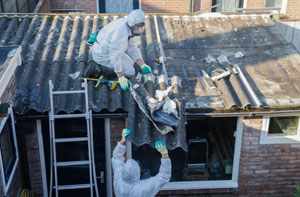
When the asbestos has been removed, further procedures might still be needed before the job is considered to be complete, including the cleaning, inspection and clearance of the working area. A detailed clearance procedure will be required following certain licensed asbestos work at a building around Comber, before the working area can be brought back into normal use. This may involve careful visual inspections, air monitoring, and additional checks to establish that the work area is suitable for reoccupation. A Certificate of Reoccupation can only be provided if the four-stage clearance process is successfully completed by an independent analyst.
The paperwork produced as part of an asbestos removal job can be important, so they're best kept after the work has been completed. A job can generate a number of documents, including asbestos survey information, analytical findings, waste documentation and, where relevant, records connected with clearance or reoccupation. Plans for later alterations could make the asbestos documentation important again. This is especially the case where asbestos-containing materials have been left in place elsewhere. Good records may prevent alot of uncertainty further down the line. If maintenance, refurbishment or alterations are planned, it can be useful to know what was originally identified, what was subsequently removed and what might remain.
Choosing the right asbestos removal company operating in the Comber area is vital, particularly when the project involves higher-risk asbestos materials & products. Their qualifications, training & experience should be considered, together with any licensing needed for the job and suitable insurance arrangements. Another factor worth looking at is whether the company is a member of any respected asbestos industry bodies & can demonstrate ongoing professional training & a commitment to working safely. Getting the assessment & preparation right from the beginning helps ensure asbestos removal work is undertaken in a safe manner, with the asbestos handled in the right way from start to finish.
Asbestos removal services and asbestos surveys are available to home and business owners in Comber itself and additionally in nearby locations like Carrowdore, Crossnacreevy, Moneyreach, Millisle, Newtownards, Dundonald, Greyabbey, Killinchy, Ballygowan, Balloo, Lisbane, Saintfield, Carryduff. Locally based Comber asbestos removal specialists will probably have the telephone code 028 and the postcode BT23.
Planning Industrial Asbestos Removal Around Business Operations
Removing asbestos from an extensive industrial property isn't always an easy undertaking. The way the building is laid out might complicate the removal process, particularly when production equipment needs to be worked around. When asbestos removal is being planned at an older industrial property in Comber, the location of the asbestos can make the job harder to organise. Some asbestos products may still be present inside service ducts. Getting to the affected material may take additional planning.
An industrial site in the Comber area might have to arrange asbestos removal while other parts of the site remain in use. Rather than bringing everything to a halt, the removal may be scheduled for an existing shutdown period. This can help reduce disruption to production. Large industrial premises might also still have a number of different asbestos-containing materials, sometimes spread across multiple floors or separate sections of the premises, making the work more complicated to organise. There can be quite a lot of people involved in organising asbestos removal at an operational factory. If the removal could affect industrial plant or manufacturing equipment, site managers, maintenance staff and other specialists may need to be consulted. By working together, the project can take account of the practical requirements of the building.
The Removal of Artex
Artex was a widely used choice for finishing ceilings and walls in years gone by, and older properties around Comber may still have coatings that contain asbestos. As there is no reliable way of spotting asbestos in Artex from appearance alone, testing might be necessary before starting removal or refurbishment work. Where asbestos is found in the coating, it needs to be handled cautiously so that harmful fibres or particles are not made airborne. The strategy that is used to remove it will be determined by the condition of the Artex, where it has been used, and exactly how the work is being undertaken. By using an experienced asbestos removal specialist, you can get the material safely removed, securely contained & taken via the appropriate channels for disposal.
Air Monitoring During Asbestos Removal
One of the key purposes of asbestos air monitoring is to establish whether fibres are airborne around an area where asbestos removal is underway or has finished. Air monitoring isn't simply a matter of visually checking for asbestos fibres in the air. Air must be sampled using appropriate equipment, with the collected material tested afterwards to measure the fibre concentration. Air monitoring can take place at several stages of an asbestos removal project, from before the work begins, throughout the removal process or once the job is done. Before people return to an area following asbestos removal work, the measured fibre concentrations may be considered. They may also help check whether the control measures used during the job were working properly. The need for air monitoring may vary between asbestos removal projects around Comber, as the sort of asbestos and the removal methods used may influence whether air sampling is necessary. After the monitoring results are available, it is necessary that the measurements are documented and carefully reviewed. This should be undertaken by a suitably trained specialist with the necessary knowledge.
Dealing with Asbestos in Loft Spaces
Removing asbestos materials from lofts & roof spaces could be more difficult than it might first appear, especially in older buildings in and around Comber. A loft might contain asbestos-containing materials in a number of locations, including around pipework, near stored water tanks and in insulation boards. Parts of the space might be hard to get to. There can be extra complications beyond finding the asbestos-containing material. Restricted headroom, awkward access and electrical services can all affect the removal arrangements, particularly when the material is damaged. Instead of starting the removal straight away, a contractor needs to first establish what the job involves. The condition & location of the material can then be taken into account when agreeing how the work will be carried out. If you own a property in Comber & are thinking about improvements involving the roof space, it is worthwhile to arrange checks for suspected asbestos ahead of the building work. This can help avoid unnecessary risks.
Getting Rid of Old Asbestos Gutters
Quite a few older homes throughout Ashville still have asbestos cement gutters and downpipes installed, a kind of material that was widely used for external drainage in the past. Older asbestos cement gutters and downspouts don't necessarily present a significant risk when they are intact and undisturbed, but cracks, breakages or deterioration might cause dangerous fibres to become airborne if the material is disturbed. Removing asbestos cement guttering should be carried out carefully, particularly when dealing with brackets, joints and other fixings, as unnecessary force may damage the guttering. A competent asbestos removal professional may inspect the condition of the guttering, follow suitable protective measures and remove with care the affected sections. Getting rid of old asbestos cement guttering is not just a case of throwing it away, because the material needs to be safely packaged and taken to an authorised waste processing facility before the property is ready for its replacement guttering.
Removing and Replacing Asbestos-Containing Fire Doors
Where an old asbestos-containing fire door has deteriorated, treating it like an ordinary door isn't necessarily safe. Its condition needs to be checked before anyone attempts to remove it. A number of older fire door designs were made using asbestos-containing materials for their resistance to heat. Disturbing these materials might allow harmful fibres to become airborne, which is the reason why careful handling matters. Before dealing with a fire door suspected of containing asbestos, it is sensible to have the removal requirements checked. Depending on the asbestos material & the nature of the work, additional legal requirements could apply. A new fire door cannot simply be chosen on appearance. The specification of the door assembly must be appropriate for the building's requirements. Suitable frames, seals & ironmongery are also important. Even the correct replacement fire door may fall short of its intended performance if the installation does not follow the relevant requirements. Making sure the installer understands fire door assemblies could help avoid these problems.
Replacing an Old Asbestos Garage Roof
If you've got an older garage in Ashville, there is a chance that its roof is made from sheets of asbestos cement, which were previously a common roofing material. Asbestos cement roofing is usually considered lower risk when it is in excellent condition and left undisturbed, but deteriorating sheets might release deadly fibres into the surrounding air. Stripping off an asbestos cement garage roof needs to be done with care, as damaging or breaking the sheets may cause asbestos dust to be released around the area. Using a competent asbestos specialist could help to ensure that the roof is checked beforehand & the sheets are safely taken down. The removed sheets must then be appropriately packaged & disposed of as "asbestos waste" at an authorised waste processing facility, leaving your garage ready for new roofing.
Removing Asbestos Pipe Lagging
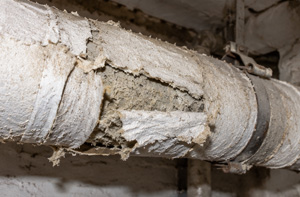
Unlike some asbestos-containing materials, old pipe lagging may release fibres relatively easily if damaged. That is why, the removal needs to be handled by an experienced contractor holding the appropriate asbestos licence, instead of a general builder. While checking an older heating installation, you may come across old insulating material covering sections of pipework. There's a possibility that the lagging contains asbestos, particularly in roof spaces, cellars and boiler rooms.
Dealing with old asbestos lagging isn't something that should begin without an assessment. The contractor carrying out the removal will have to determine what asbestos materials are present and plan suitable precautions before disturbing the lagging. Property owners arranging asbestos pipe insulation removal may expect the contractor to establish a controlled work area. The licensed contractor will generally use specialist equipment & controlled techniques. Once the material has been taken out, it must be securely packaged & sent to an authorised disposal facility. Finishing the physical removal of the lagging doesn't mean people can immediately return to the area. The required cleaning & clearance procedures must take place afterwards, so that the space can be returned to normal use safely.
Asbestos Removal Tasks and Services

Local removal specialists will be able to help you out with removing asbestos from old agricultural farm buildings, building waste removal in Comber, asbestos insulation board removal by certified asbestos removal specialist, asbestos ceiling tile removal & safe disposal services, asbestos dismantling in Comber, asbestos flue removal, ground remediation in Comber, asbestos gutter removal in Comber, fully licensed asbestos removal for domestic & commercial properties, the removal of asbestos ceiling tiles, lead paint testing, asbestos roof tile removal, asbestos floor tile removal before refurbishment or renovation works, asbestos cement water tank removal, garage asbestos removal Comber, asbestos chimney flue pipe removal in Comber, asbestos sampling and identification by qualified asbestos surveyor, asbestos removal Comber, asbestos survey and risk assessment for older buildings, domestic asbestos survey, asbestos removal during commercial property refurbishment projects, Artex asbestos removal Comber, unsafe asbestos removal Comber, and other hazardous waste related work.
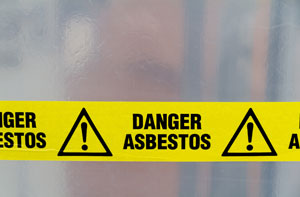 Asbestos Removal Comber
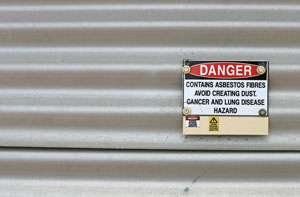 Asbestos Removal Near Me
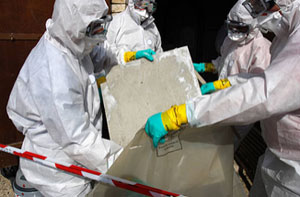 Asbestos Removal Companies Comber
Local Asbestos Removal Near Me
Also find: Lisbane asbestos removal, Carryduff asbestos removal, Carrowdore asbestos removal, Dundonald asbestos removal services, Greyabbey asbestos removal services, Dundonald asbestos removal specialists, Saintfield asbestos removal, Carrowdore asbestos removal specialists, Balloo asbestos removal specialists, Balloo asbestos removal services, Balloo asbestos removal, Greyabbey asbestos removal specialists, Moneyreach asbestos removal specialists asbestos removal services and more. The majority of these places are serviced by companies who do asbestos removal. Comber homeowners can get quotes by going here.
More: Removal Contractors, Asbestos Inspection, Asbestos Inspections, Hazardous Waste Removal, Asbestos Surveys, Asbestos Handling, Safe Asbestos Removal, Fibre Testing, Waste Removal, Asbestos Removal Services, Safety Compliance, Asbestos Testing, Asbestos Collection, Dust Sampling, Asbestos Risk Management, Asbestos Monitoring, Asbestos Removal Services, Asbestos Inspection, Biohazard Removal, Asbestos Sampling.
Asbestos Removal in BT23 area, (dialling code 028).
If you want local info relating to Comber, Northern Ireland click here
Industrial Asbestos Removal Comber, Asbestos Removal Comber, Biohazard Removal, Asbestos Removal Companies, Domestic Asbestos Removal Comber, Removing Asbestos, Asbestos Disposal Comber, Asbestos Removal Near Me, Hazardous Material Removal, Asbestos Removal Quotations, Asbestos Survey Comber, Asbestos Encapsulation
HOME - ASBESTOS REMOVAL UK
(This Comber asbestos removal content was edited and updated on 26-10-2026)