
Asbestos Removal Specialists Lymington
The Safe Removal of Hazardous Asbestos in Lymington
Asbestos Removal Lymington Hampshire (SO41) Area: Even though it was banned from use in construction a long time ago, asbestos still shows up in older buildings in Lymington every now and then. Asbestos might be lurking behind internal wall panels, beneath floor coverings, in and around heating systems, and within insulation & roofing materials, so coming across it during building work is quite common. Something that may contain asbestos should not simply be disturbed to find out what it is. The safest approach would be to leave it undisturbed and get specialist advice.
It's important to establish precisely what sort of material is involved, before you even consider removing any asbestos material. A certified Lymington asbestos specialist or surveyor will find out if asbestos is actually present by inspecting any suspect areas, and when necessary arrange to have samples analysed. When asbestos has been found to be present, the nature of asbestos-containing material, its state of repair, and location may be taken into consideration. Whether asbestos removal is necessary, alongside the safety precautions needed if the work proceeds, can then be decided from this assessment.
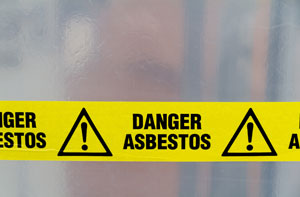
Finding some material that contains asbestos in a building does not necessarily mean that it has to be removed. Asbestos material that is in good condition, is not likely to be disturbed, and can be safely managed may sometimes be better left undisturbed. In certain situations, encapsulation might provide another option, with the material coated or sealed to help reduce the risk of asbestos particles & fibres being released into the air. To ensure that any degradation of the material is picked up before it turns into a more serious issue, its condition must still be monitored on a regular basis.
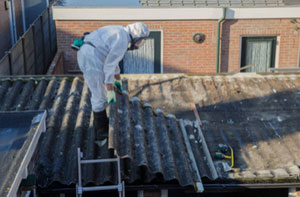
When asbestos is damaged, or is located somewhere it could be disturbed by future building work, removal becomes a more likely option. If major alteration work, the replacement of a boiler, a refurbishment project, or demolition work is proposed at a property across the Lymington area, previously undisturbed asbestos material may need addressing beforehand. The risks that are associated with asbestos are contingent upon the type of material that is involved, and certain removal activities must be done by a trained specialist that holds the correct HSE licence. This means that the type and condition of the asbestos, in addition to the planned work, should be correctly checked before any removal takes place.
There's nothing straightforward about coming across asbestos halfway through a refurbishment project. What seemed like a relatively simple project may end up taking longer than expected. Work in the affected area needs to stop until the potentially asbestos-containing material has been properly assessed, even if this means holding up the work for a short time. Whether the builders can carry on can depend on the position of the asbestos-containing material. The contractor could potentially change the sequence of the job, or removal might be required before the affected work continues. Arranging an assessment as soon as a concern is raised may help keep the renovation from running into further delays. This is particularly useful for people who are renovating older homes in Lymington where asbestos might still be present.
Determining that asbestos has to be removed is just the initial step, because the work also needs to be meticulously planned out before any of the materials are taken out. Before the work begins, the asbestos contractor will have to consider how to control the work area, minimise the risk of exposure, and what safety measures and equipment will be needed. The precautions necessary will vary according to the type of work & can include enclosures, restricted access, suitable respiratory protective equipment, and procedures to lower the chances of contamination from spreading elsewhere. The amount of control that is needed can vary quite a bit, with more extensive asbestos removal jobs in Lymington usually requiring more precautionary measures than comparatively routine work that involves lower-risk materials.
Before the removal team arrives, you might have some things to organise in the property. Getting these sorted out can save alot of hassle down the line. Before removal begins, it may be necessary to make room around the working area. Anything that can be moved safely should be organised in advance following the contractor's advice. Before clearing any belongings, it's essential to check with the contractor. Items that may have asbestos fibres on them should be left well alone. Parking & outside access may need some thought during asbestos removal. Finding out what equipment and vehicles are needed early can help avoid unnecessary hold-ups. A few simple arrangements could make asbestos removal easier to organise. This is especially useful for property owners around Lymington who want to avoid unnecessary delays.
During any asbestos removal operation, preventing asbestos particles from entering the surrounding environment is a major consideration. The contractors need to avoid breaking, abrading or inadvertantly disturbing asbestos when possible, and never treat its removal as an everyday strip-out or demolition job. Anybody undertaking the removal work needs to have suitable professional training in addition to suitable PPE. With fibre control in mind, suitable tools, equipment & working methods are selected, and the affected area is carefully cleaned as a part of the process.
What happens after the asbestos material is taken out is just as important as the removal work itself. Asbestos waste can't just be chucked into a normal skip, because it must be packaged correctly, clearly labelled, transported and disposed of in accordance with the relevant hazardous-waste requirements. Those handling asbestos-containing waste from a renovation project in the Lymington area should make certain it is transported to a recognised disposal centre and that all the required documentation is filled in and retained. A useful record of how the waste that was generated by the work was managed is also created by keeping suitable documentation.

How much preparatory work is needed before removal work starts will vary according to the nature of material involved & the scope of the work. Depending on the type of work, preparations may include separating the affected area, limiting access and having suitable warning signage in place. Part of the work done beforehand could involve disconnecting services & utilities where required, in addition to covering nearby fixtures, surfaces & fittings against asbestos contamination. Making certain that the area is suitably prepped beforehand can help the contractor do the removal under carefully controlled conditions and prevent unnecessary fibre contamination elsewhere.
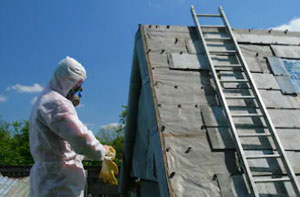
The job is not always finished when the asbestos has been taken out, as the work area might still have to undergo inspection, cleaning and clearance procedures. Before the work area of a building across the Lymington area is returned to normal use, certain licensed asbestos removal projects will need a thorough clearance procedure. This can involve thorough visual inspections, air monitoring, and additional checks to make sure that the affected area can be safely reoccupied. A Certificate of Reoccupation (when necessary) can only be provided if the 4-stage clearance process is completed by a fully independent, UKAS-accredited asbestos analyst.
There isn't a standard price for asbestos removal across Lymington, because the work can vary considerably between properties. Before the property & materials have been checked, it is not always possible to provide an accurate quotation. Assessing what needs to be done requires considering more than just the quantity of material. Where the material is, what condition it's in & how easily it can be reached, together with the type involved, may all shape the work involved. Not all asbestos removal jobs are equally involved. For example, taking down a few reachable asbestos cement panels may be a very different job to removing asbestos insulation board in a tight space. When getting a price for asbestos removal, it's important to understand what the price covers. According to the job, the quoted price could have to cover any specialist equipment that's needed for the task, setting up controlled working areas, asbestos waste disposal and any air monitoring or clearance testing that is needed. Nobody wants unexpected charges partway through the job. Asking for a written breakdown of the costs can help to establish exactly what has been quoted for & highlight possible additional charges.
When picking out an asbestos removal contractor serving the Lymington area, it is important to make certain they are suitable for the type of job involved. Any contractor who is being considered should have appropriate training, practical experience & professional qualifications, together with any licensing necessary for the work & has the right insurance cover. Another point that's worth checking is whether the specialist belongs to any respected asbestos trade organisations & can show ongoing training & safe working practices. A careful initial assessment, followed by meticulous preparation, helps make certain the removal work is undertaken in a safe & secure manner & the material is dealt with appropriately throughout the job.
Asbestos removal services and asbestos surveys are available in Lymington itself and additionally in surrounding areas such as Downton, East Boldre, Pennington, Milford on Sea, Buckland, Boldre, Everton, Upper Pennington, Mount Pleasant, Woodside, Hordle, New Milton, Sway, Walhampton, Pilley, Portmore, Beaulieu. Local Lymington asbestos removal companies will most likely have the phone code 01590 and the postcode SO41.
The Health Effects of Asbestos Exposure
The main danger from asbestos arises when the material is damaged or interfered with, because this may release fine fibres & particles that could then be inhaled. Exposure to asbestos doesn't generally cause immediate symptoms, with asbestos-related illnesses often becoming apparent a considerable number of years later. Long-term exposure to asbestos can result in conditions that affect the lungs, for instance pleural thickening, asbestosis and other asbestos-related lung problems. Lung cancer and mesothelioma are among the cancers that can be linked to asbestos exposure, with mesothelioma commonly developing in the tissue that lines the lungs. Breaking, drilling or cutting suspected asbestos-containing materials could cause fibres to be released, so appropriate precautions should be taken before starting this kind of work.
Dealing with Asbestos Cement Tanks in Older Homes
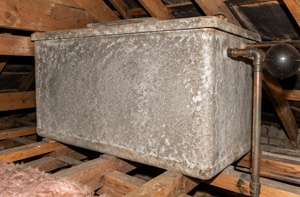
A water tank tucked away in the loft of an older property in Lymington could be an asbestos-containing product. Tanks of this type were frequently installed as part of the property's plumbing. Years of use can cause an older tank to deteriorate. If it's positioned in a cramped loft, removing it safely might become a more involved job. A disused tank shouldn't be taken out without initially finding out if asbestos cement is present. Any existing damage also needs to be assessed before removal begins. The aim should generally be to keep the tank intact while it's being taken out, where the available access allows. If the tank is damaged during the work, there is a risk of fibres being released into the air. There's not one way of removing these tanks that fits every situation. How large the tank is and whether it's damaged, where it has been installed and how easily it can be reached can all determine what arrangements are suitable. The job is not finished when the tank has been lifted out. Any asbestos cement waste has to be packaged appropriately before appropriate asbestos waste disposal is arranged.
How Asbestos Surveys Work
Before asbestos within a property can be properly managed, it is necessary to know if asbestos-containing materials are present, where they're situated & what condition they are in. An asbestos survey can provide this information. Working out the required asbestos survey means considering both the type of building & the building work being considered, as not every situation calls for the same sort of survey. A management survey is generally used to identify materials that may be disturbed during usual occupation & maintenance, while a refurbishment & demolition survey (R&D) is more invasive, and is necessary before certain building work is started. If the surveyor discovers material that may contain asbestos, it might be necessary to have a suitable sample analysed. This may help to establish whether the suspect material has asbestos present. A accurate record of the survey provides useful information about any asbestos materials that have been identified. These findings can then be used to manage the asbestos and help prevent it from being accidentally disturbed during future work.
Preparing Your Property for Replacement Guttering
A fair number of older homes in Ashville still have asbestos cement rainwater goods in place, a kind of material that was frequently used for carrying rainwater away from buildings years ago. Ageing asbestos cement gutters don't necessarily present a significant risk when they're intact & undisturbed, but broken or deteriorating sections could cause hazardous fibres to become airborne if the material gets disturbed. An asbestos cement gutter cannot simply be pulled off without considering the risks, as damaging the material can cause asbestos fibres to become airborne. Instead of taking chances with the material, you may prefer to use an experienced asbestos professional to inspect the affected sections and handle the removal process with care. The old gutters & downpipes should then be securely wrapped and disposed of as "asbestos waste" at an appropriately licensed facility, leaving the building ready for the new guttering.
Removing Asbestos Pipe Lagging
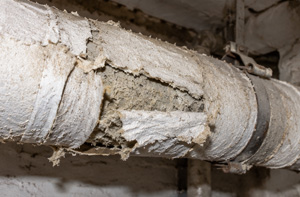
Where there is asbestos-containing lagging covering heating pipes at a building in the Lymington area, having it taken out is not something to tackle yourself. This insulation may release dangerous fibres when disturbed, so an appropriately trained & licensed asbestos contractor should carry out the work. In older properties around Lymington, asbestos-containing pipe insulation could still be present on older hot water pipework. Boiler rooms, basements & loft areas are some of the places where older lagging can remain.
When asbestos-containing pipe insulation is due to be removed in Lymington, the first step is to assess the material & plan the work. That means establishing which asbestos materials are present and deciding how to prevent fibres spreading. Anyone having asbestos lagging removed may need to allow for a sealed working enclosure. The licensed contractor will generally work under suitable containment arrangements. Once the material has been taken out, it needs to be placed in suitable packaging for lawful disposal. For property owners around Lymington, it is sensible to check which clearance procedures will apply. The removal itself is only the first stage, as the applicable clearance checks may still be required. Only when the appropriate clearance process has been completed can the affected space be reopened safely.
Asbestos Removal Tasks and Services

Local removal contractors should be able to help with asbestos inspections, asbestos disposal, asbestos risk assessment, asbestos abatement, corrugated asbestos removal, asbestos floor tile removal before refurbishment or renovation works, removing asbestos from old heating system components, asbestos gutter removal, asbestos floor tile removal in Lymington, home asbestos surveys, lead paint testing, asbestos cement shed dismantling & disposal services, asbestos removal services, the removal of asbestos from communal areas in flats, asbestos strip-outs, asbestos removal Lymington, hazardous material management, asbestos removal from schools and educational premises, safe asbestos roof sheet removal & disposal services, the removal of asbestos from warehouses and storage facilities, asbestos partition wall removal in older properties, household asbestos removal Lymington, asbestos air monitoring and clearance testing after removal work, and other hazardous waste related work.
 FAQ: Here are some of the most frequently asked questions about asbestos removal & asbestos management: How do I know if I need asbestos removal? How much does asbestos encapsulation cost? Can asbestos flues & pipes be removed? Who is qualified to remove & dispose of asbestos fire doors? Should asbestos be removed before demolition? Where can asbestos waste be taken? Does asbestos need to be tested before it's removed? What types of asbestos can be removed? Are asbestos cement water tanks dangerous? How do I choose an asbestos removal contractor? Can asbestos be removed from around industrial machinery and equipment? Is asbestos pipe lagging dangerous if it is left undisturbed? What happens if asbestos is damaged during removal? Do I need a licensed contractor to dispose of asbestos?.
Asbestos Removal Lymington Asbestos Removal Near Lymington
 Asbestos Removal Companies Lymington
Asbestos Removal Near Me
Also find: Pennington asbestos removal, Upper Pennington asbestos removal services, Boldre asbestos removal specialists, Sway asbestos removal services, Walhampton asbestos removal services, East Boldre asbestos removal specialists, Beaulieu asbestos removal specialists, New Milton asbestos removal, Downton asbestos removal specialists, Beaulieu asbestos removal services, Upper Pennington asbestos removal, Pilley asbestos removal services, Walhampton asbestos removal, Portmore asbestos removal, Sway asbestos removal, Everton asbestos removal, Sway asbestos removal specialists asbestos removal services and more. The majority of these villages and towns are served by companies who do asbestos removal. Lymington property owners can get asbestos removal estimates by clicking here.
More: Asbestos Survey, Asbestos Specialists, Asbestos Specialists, Asbestos Extraction, Biohazard Removal, Asbestos Inspection, Environmental Safety, Cheap Asbestos Removal, Asbestos Management, Removal Contractors, Asbestos Consultancy, Local Asbestos Services, Safe Asbestos Removal, Asbestos Inspection, Asbestos Ceiling Removal, Asbestos Extraction, Asbestos Containment, Air Monitoring, Asbestos Removal Services, Asbestos Sampling.
Asbestos Removal in SO41 area, phone code 01590.
TOP - Asbestos Removal Lymington
To find local information on Lymington, Hampshire check here
Asbestos Removal Lymington, Asbestos Removal Near Me, Asbestos Surveys Lymington, Asbestos Encapsulation, Removing Asbestos, Asbestos Disposal Lymington, Asbestos Removal Contractors, Asbestos Removal Quotations, Industrial Asbestos Removal Lymington, Hazardous Material Removal, Residential Asbestos Removal Lymington, Biohazard Removal
HOME - ASBESTOS REMOVAL UK
(This Lymington asbestos removal page was uploaded on 26-10-2026)